


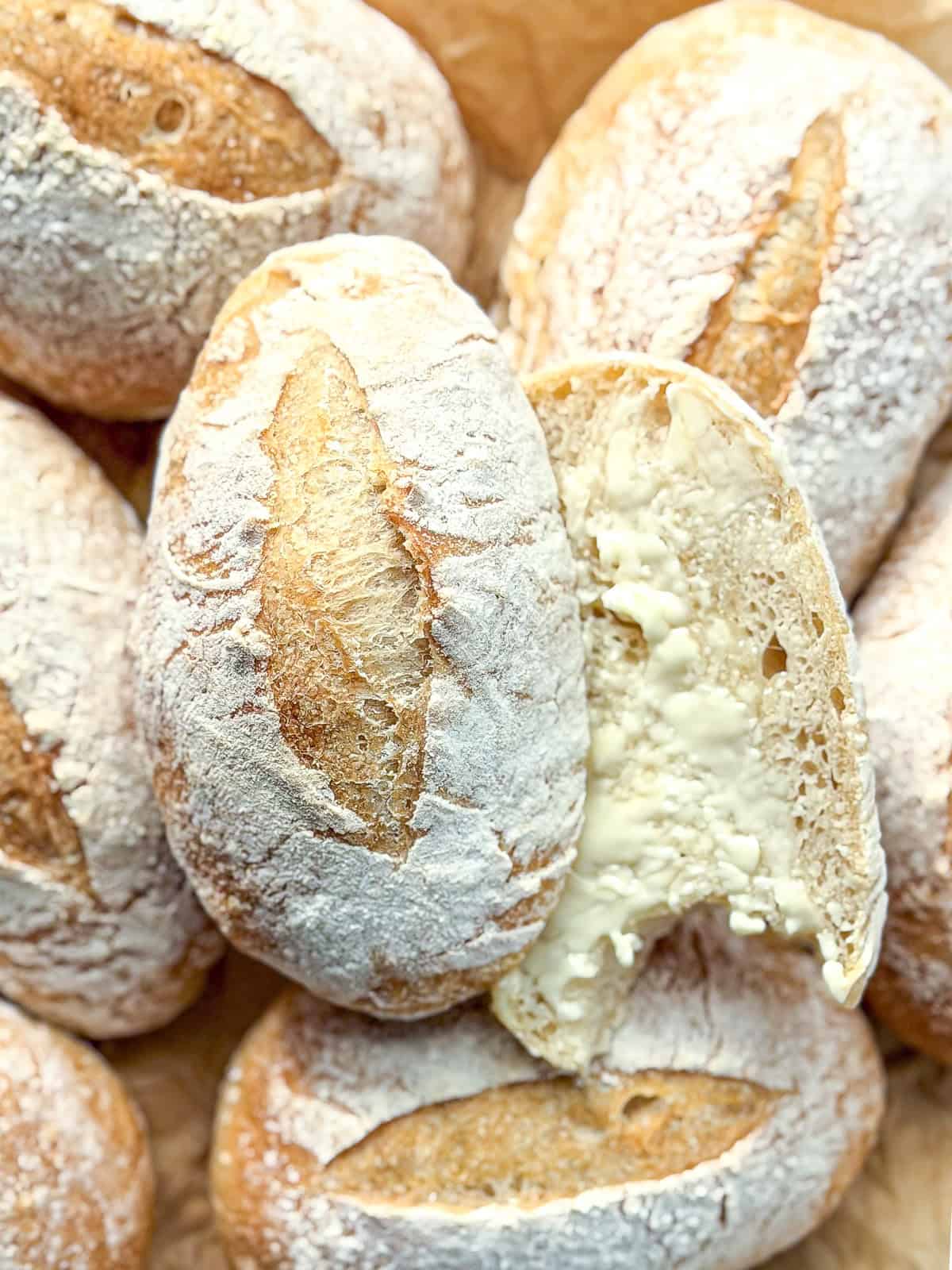
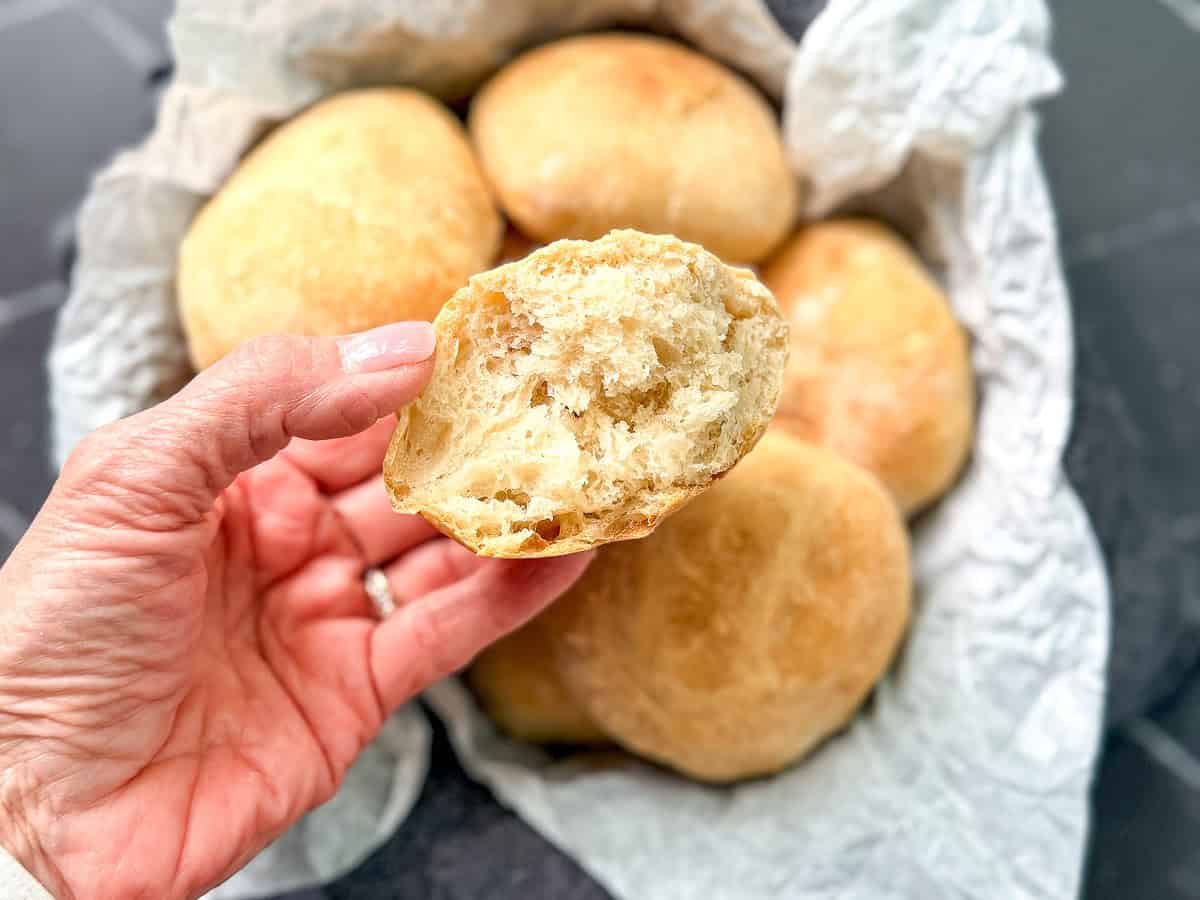
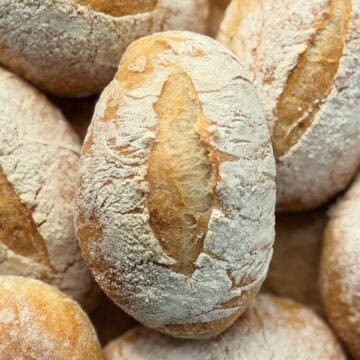
These Easy Crusty Bread Rolls have a crisp, golden crust and a soft, airy center, just like bakery-style artisan rolls. Made with only four ingredients and no kneading, the dough mixes together in minutes, rises overnight, and is ready to shape and bake the next morning.
Save this recipe for later
Enter your email and I'll send this recipe straight to your inbox.
Whether you're hosting a laid-back brunch buffet or building a towering egg sandwich with bacon egg and cheese, these Crusty Bread Rolls bring that bakery-fresh vibe without the early wake-up call. With just four ingredients and no kneading, this is your Biscuit Queen-approved way to bake like a bread boss.
A pan of hot water placed underneath the rolls while they bake creates steam in the oven, helping them develop that thin, crisp crust. Makes six larger rolls for breakfast sandwiches or eight smaller rolls for serving warm with butter, soups, salads, or dinner.
Jump to:
- In This Post You'll Learn:
- Why These Crusty Bread Rolls Work
- Ingredients & Substitutions
- Crusty Roll Variations
- Cynthia's Recipe Review
- How to Get a Crispy Crust on Your Rolls
- Quick Recipe Video
- Instructions
- Tips for weighing sticky dough
- Cynthia's Helpful Tips
- Recipe FAQs
- More yeast bread recipes
- 📖 Recipe
- 💬 Comments
In This Post You'll Learn:
- How to make crusty bread rolls with only four ingredients.
- Why an overnight rise creates better flavor and a light, airy interior.
- How to handle and shape a sticky artisan bread dough.
- How to get a thin, crisp crust and golden exterior.
Why These Crusty Bread Rolls Work
These homemade artisan rolls get their bakery-style texture without kneading or complicated bread-making techniques. A wet dough and long overnight rise give the flour time to hydrate and the gluten time to develop, creating a chewy, airy interior with very little hands-on work.
- Only four ingredients - All you need is bread flour, yeast, salt, and water.
- No kneading - Time does most of the work while the dough rests overnight.
- Steam for a crisp crust - A pan of hot water in the oven creates steam while the rolls bake.
- High-heat baking - A 450°F oven helps the rolls rise quickly and become deeply golden.
- Two sizes - Make 6 larger rolls for sandwiches or 8 smaller rolls for the bread basket.
Ingredients & Substitutions
You only need four basic ingredients to make these crusty artisan rolls: bread flour, yeast, salt, and water. Bread flour provides the structure for a chewy, airy interior, while a long overnight rise develops flavor without kneading.
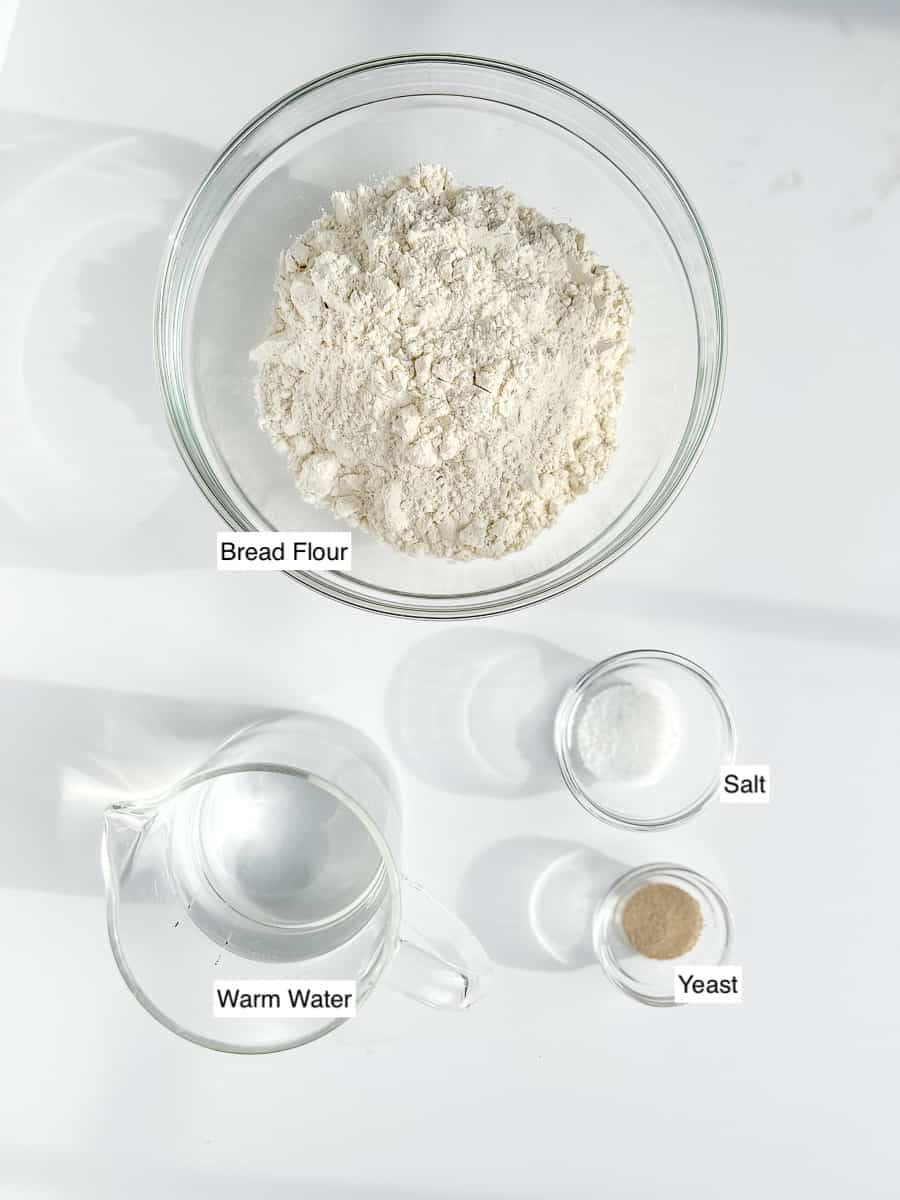
- Bread Flour - Essential for a chewy texture and strong structure. You can use all-purpose flour in a pinch, but your rolls will be slightly softer.
- Instant Yeast - Also called rapid rise or quick rise yeast. If using active dry yeast, bloom it in the warm water for 5 minutes before mixing.
- Kosher Salt - Kosher salt balances the flavor of your bread rolls. If using table salt, reduce to 1 ½ teaspoons.
- Warm Water - Should be about 105°F to 110°F if measured with a thermometer. Too hot and it can kill the yeast.
See recipe card below for a full list of ingredients and measurements.
Crusty Roll Variations
These rolls are incredibly versatile. Here are a few ways to make them your own:
- Bigger Rolls - Make six larger rolls instead of eight and use them for breakfast sandwiches.
- Mini Rolls - Divide into 10 to 12 rolls for a bread basket on your Thanksgiving or holiday table.
- Cheesy Rolls - Sprinkle shredded cheddar or Gruyere on top before baking.
- Seeded Rolls - Press the tops into sesame or poppy seeds before baking.
- Garlic Herb Rolls - Stir a teaspoon of dried herbs or minced garlic into the dough.
Cynthia's Recipe Review
These are the crusty bread rolls I make when I want that bakery-style combination of a crisp exterior and chewy, airy center without spending all morning making bread. I especially love the larger rolls for breakfast sandwiches, but the smaller artisan rolls are just as good warm with butter or served alongside soup or dinner.

If you love homemade artisan rolls, try my no knead ciabatta rolls next. The addition of olive oil makes those rolls softer and more supple, and the dough takes less than five minutes to mix together the night before.
How to Get a Crispy Crust on Your Rolls
Steam is one of the secrets to giving homemade bread rolls a thin, crisp, bakery-style crust. I place a metal pan filled with hot water on a lower oven rack underneath the baking sheet while the rolls bake. The moisture creates steam during the early part of baking, allowing the rolls to expand before their exterior becomes firm.
The combination of steam, a high-hydration dough, and a hot 450°F oven gives these rolls their deeply golden exterior while keeping the inside soft, chewy, and airy.
Use a metal pan for the hot water rather than glass, which can be vulnerable to thermal shock and shatter at high temperatures.
Quick Recipe Video
Instructions
This is an easy, beginner-friendly bread recipe with minimal hands-on time. Just follow the process photos and steps below and you'll be serving fresh rolls in no time (with no-kneading).
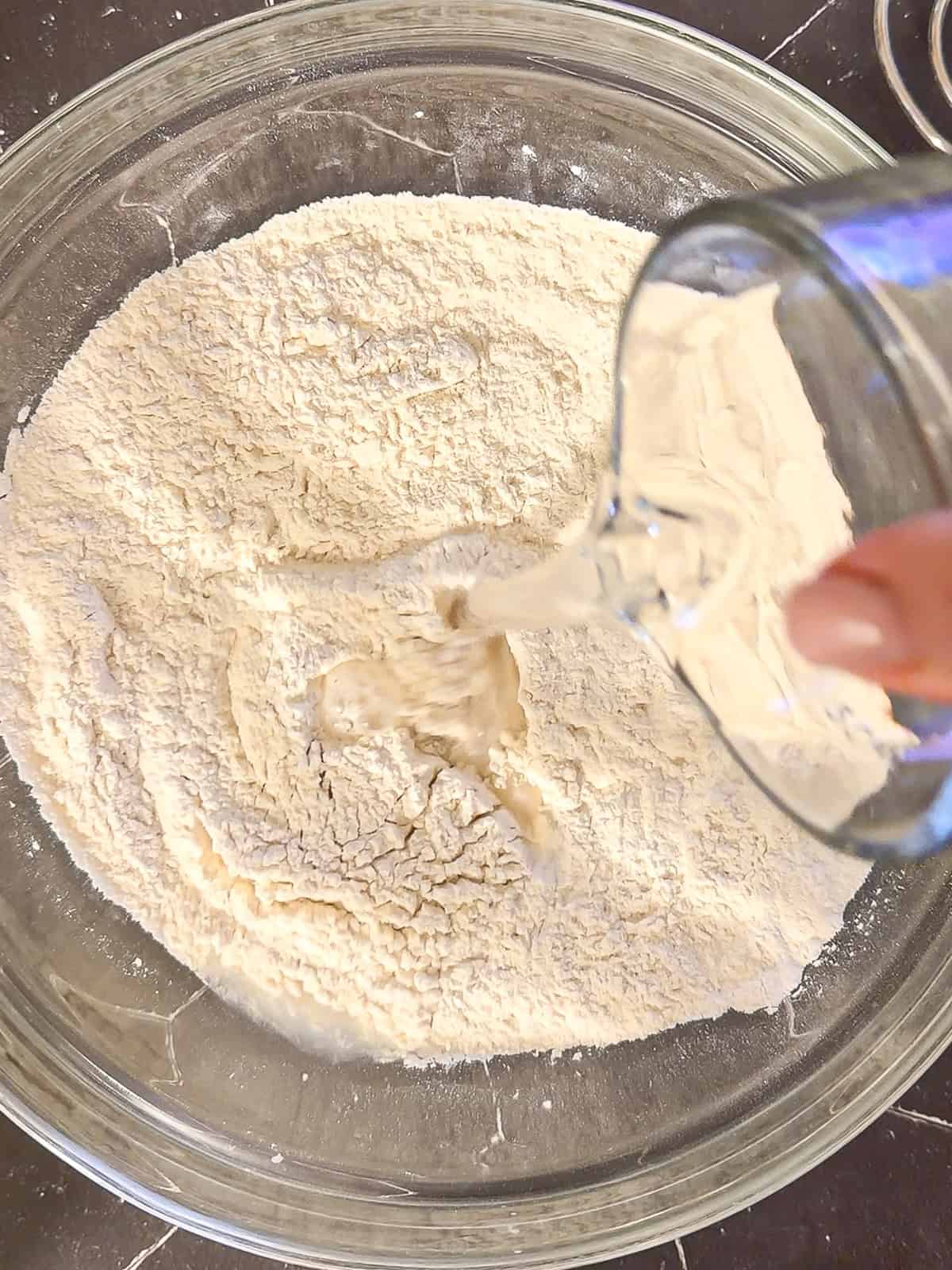
Step 1: In a large bowl, combine bread flour, instant yeast, and kosher salt. Stir to mix. Add warm water.
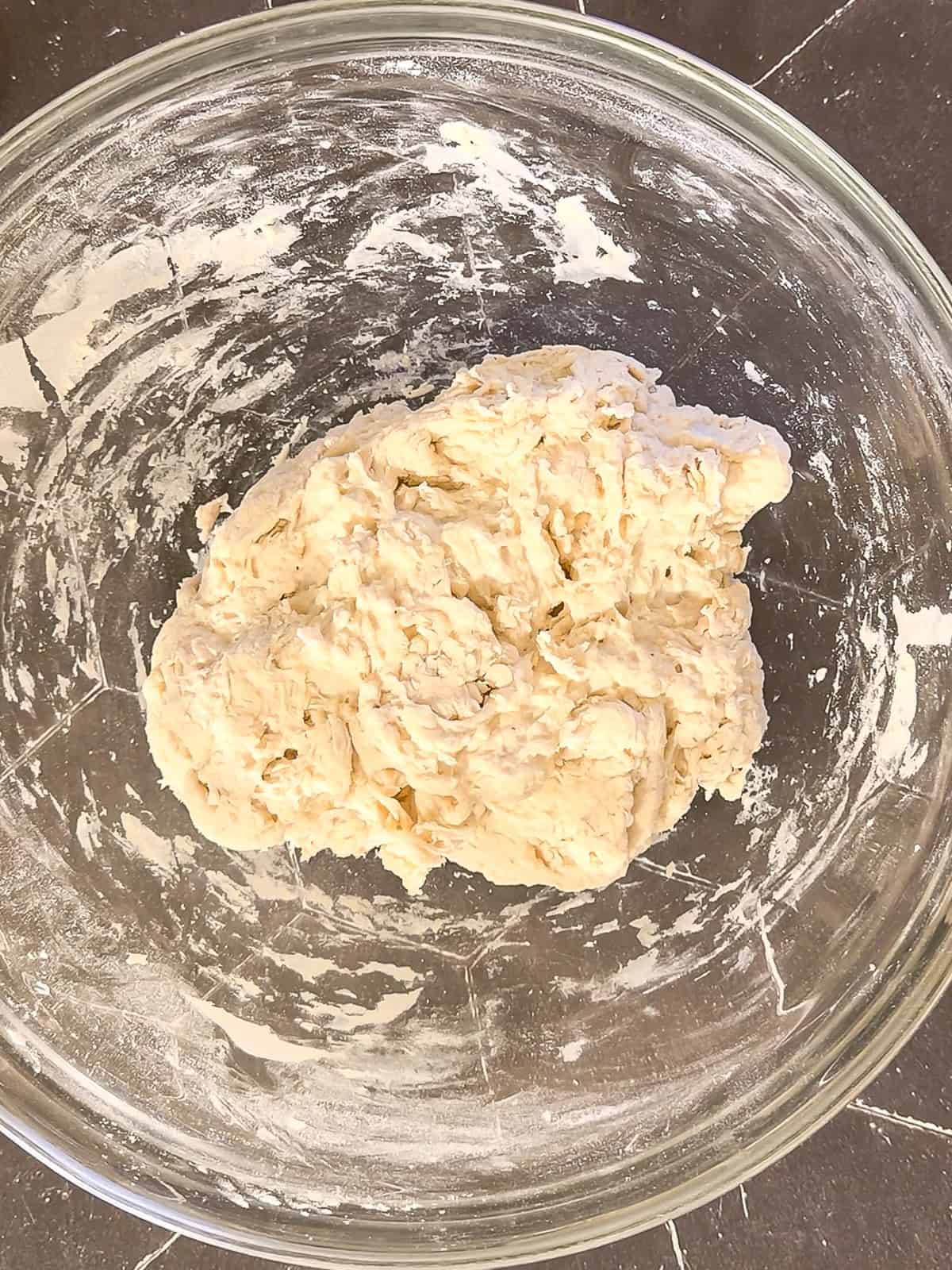
Step 2: Stir with a dough whisk or large silicone spatula until you have a shaggy, sticky dough. Cover the bowl with plastic wrap, a disposable shower cap, or a clean towel and let it rest at room temperature overnight, 8 to 18 hours, allowing the dough to ferment and the gluten proteins to form and align 𐄳, making chewier and tastier rolls.
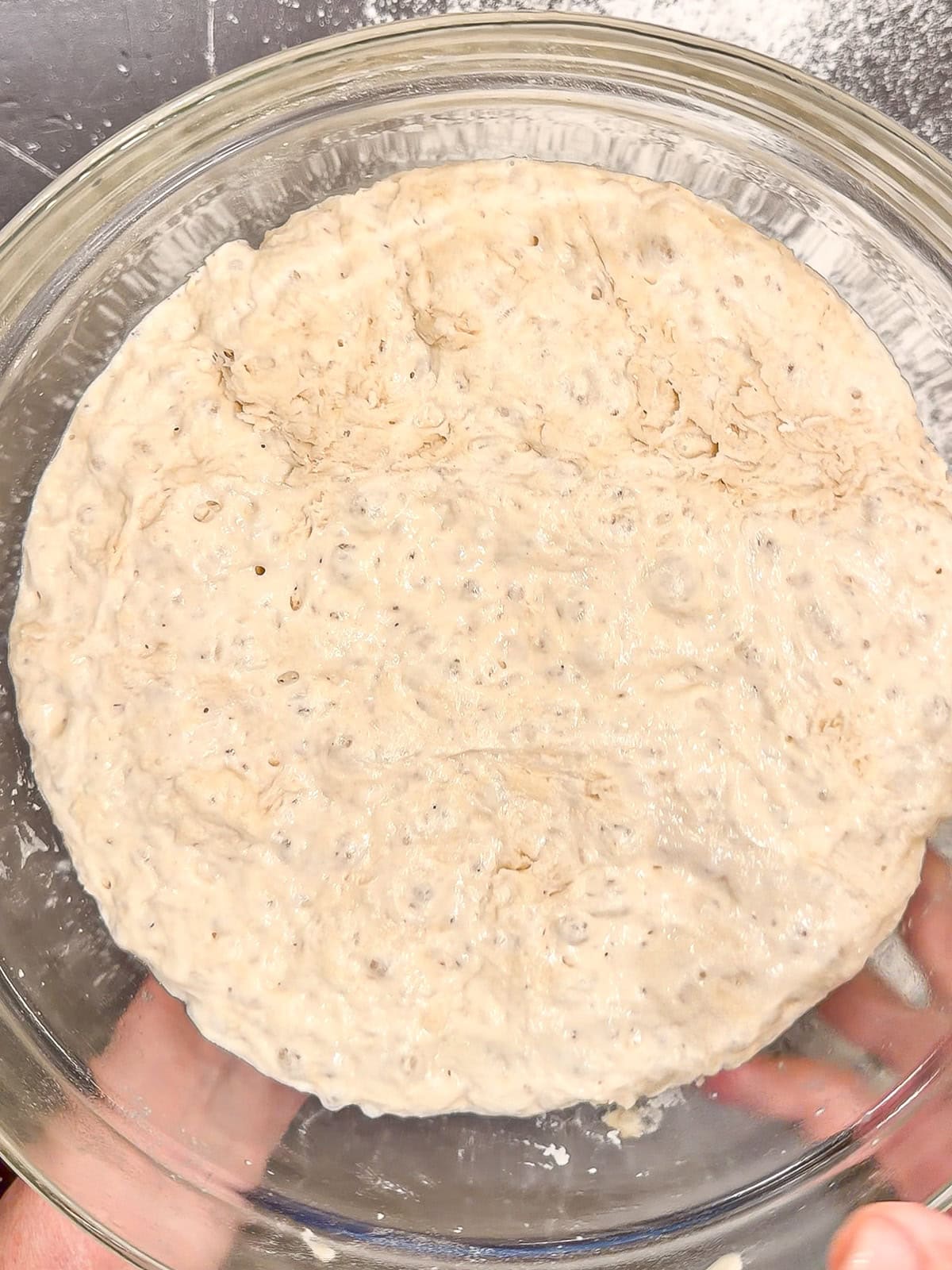
Step 3: In the morning, the dough will look soft and bubbly - and yes, it will be very sticky. That's exactly what you want to get a thin crispy crust and an airy interior. Generously flour your counter and dust a bench scraper with flour. Gently turn the dough out onto the floured surface, using a wet hand to assist if needed.
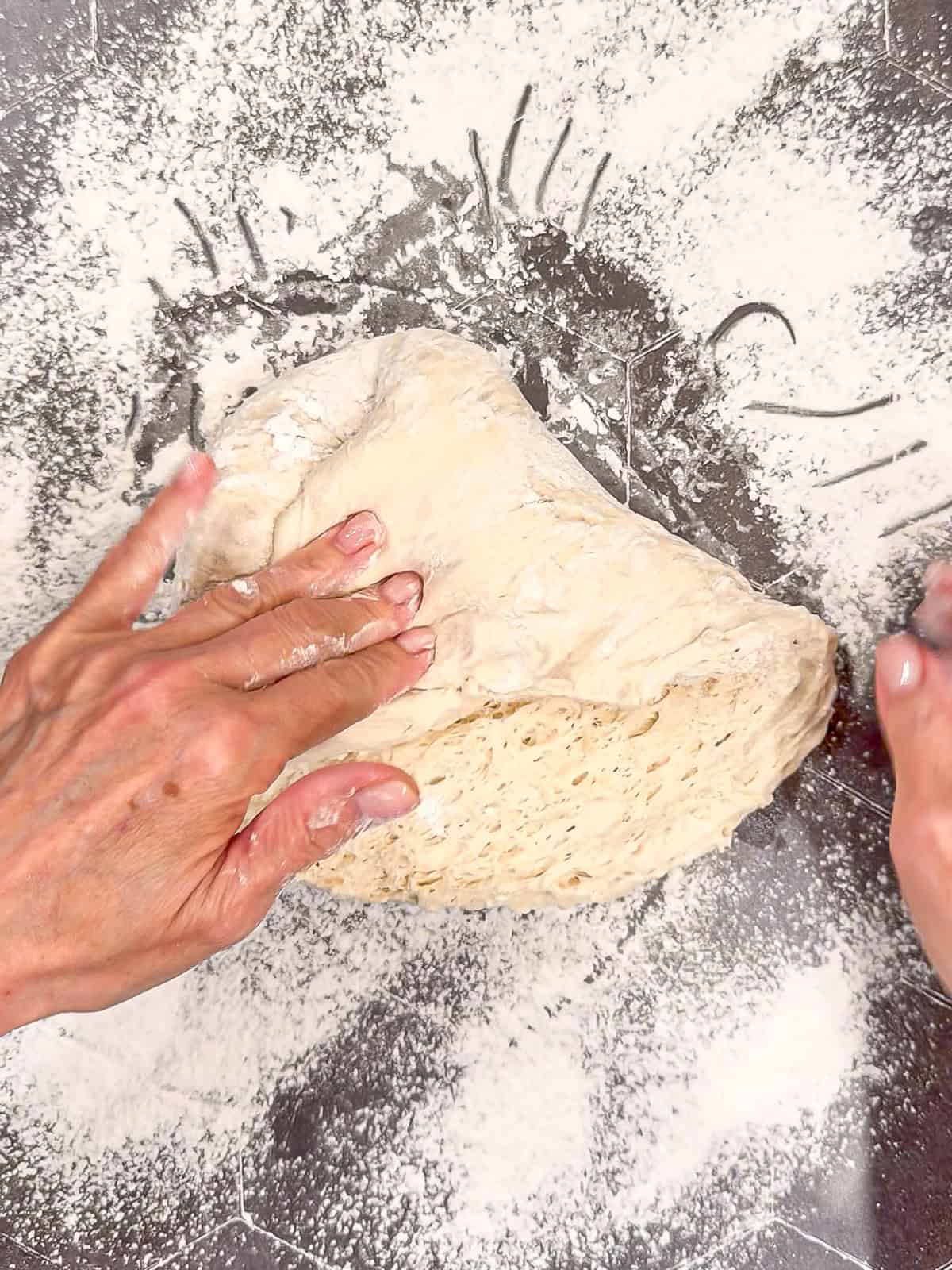
Step 4: Use your floured hands or bench scraper to gently fold the dough over itself several times. This gives the dough a little more structure and makes it easier to divide and shape. Add more flour to your hands or scraper as needed, rather than kneading additional flour into the dough.
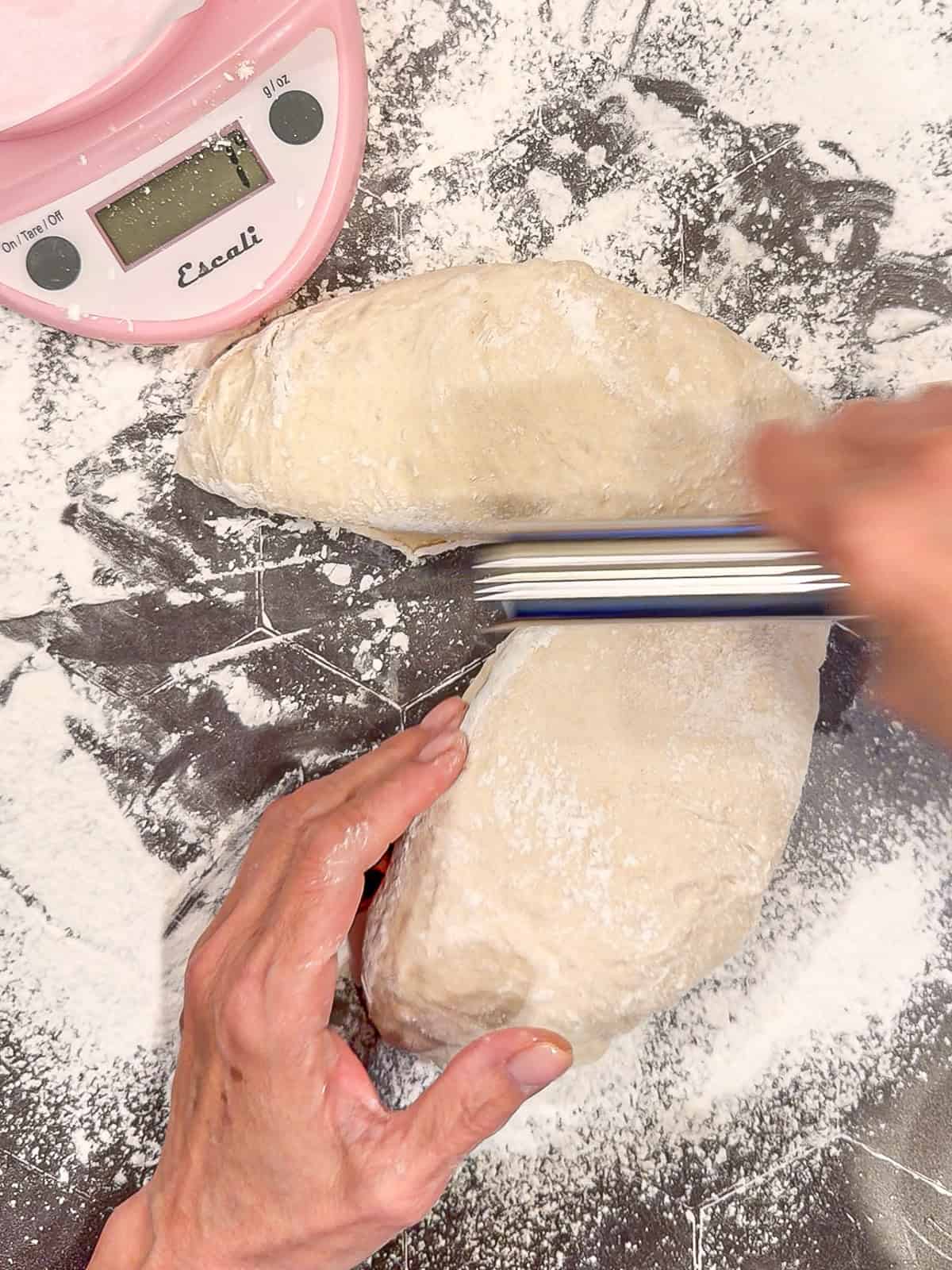
Step 5: Divide the dough into 6 or 8 equal portions.
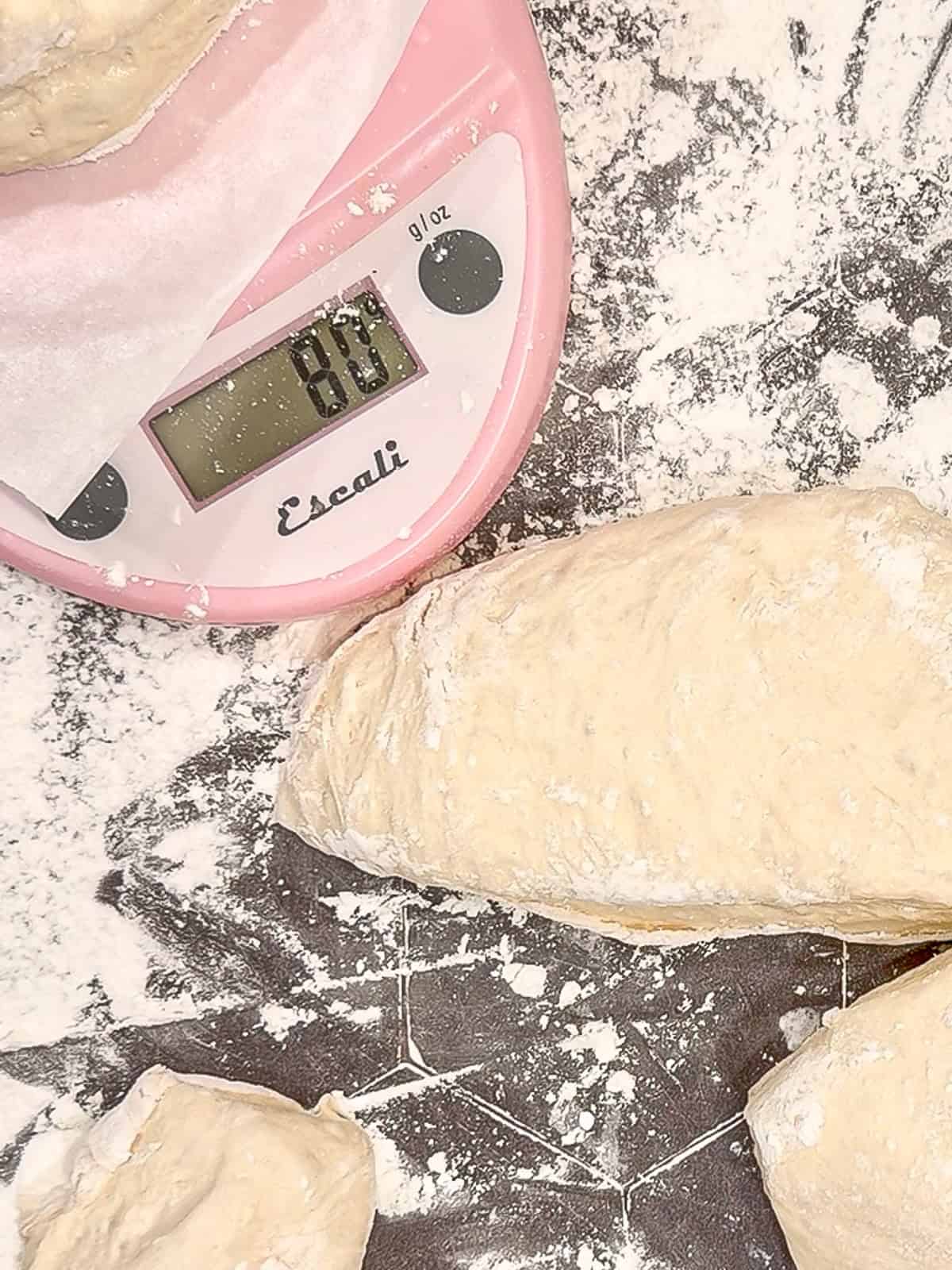
Step 6: I prefer to use a scale to weigh my dough and then divide into equal pieces, to ensure even baking, but you can eyeball it too. If using a scale, place a lightly floured piece of parchment paper on the scale before zeroing it out.
Tips for weighing sticky dough
Weighing an extremely sticky dough like this is a challenge, to say the least. Here's how I do it: I weigh the bowl with the sticky dough in it (write it down!) before turning the dough out onto the counter Next I weigh the empty bowl and subtract that amount from the previous weight (that I totally wrote down 😜). This is the weight of your dough. Ta da!
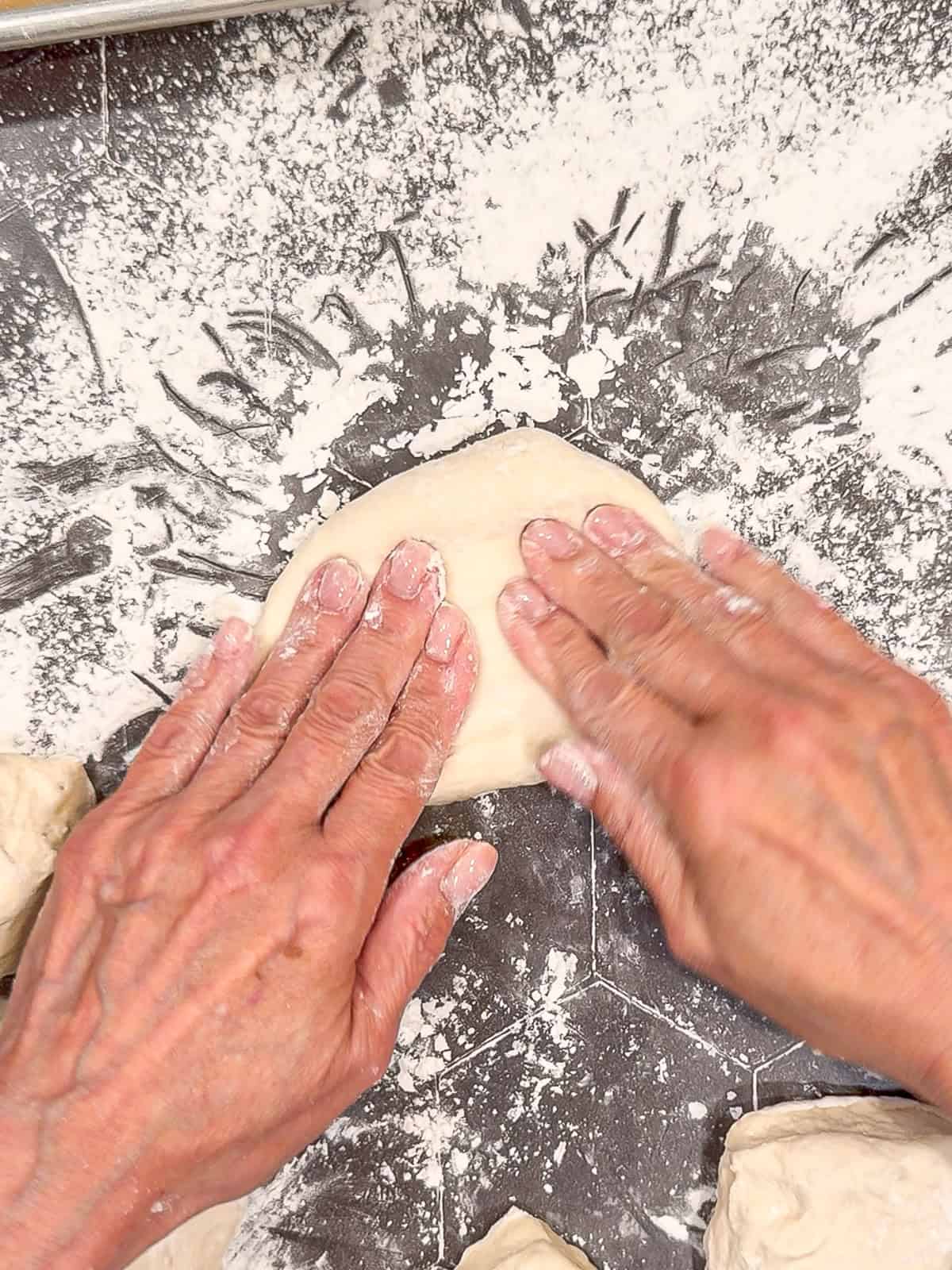
Step 7: Place one portion of dough on a well-floured section of your counter and gently flatten it into a rough oval.
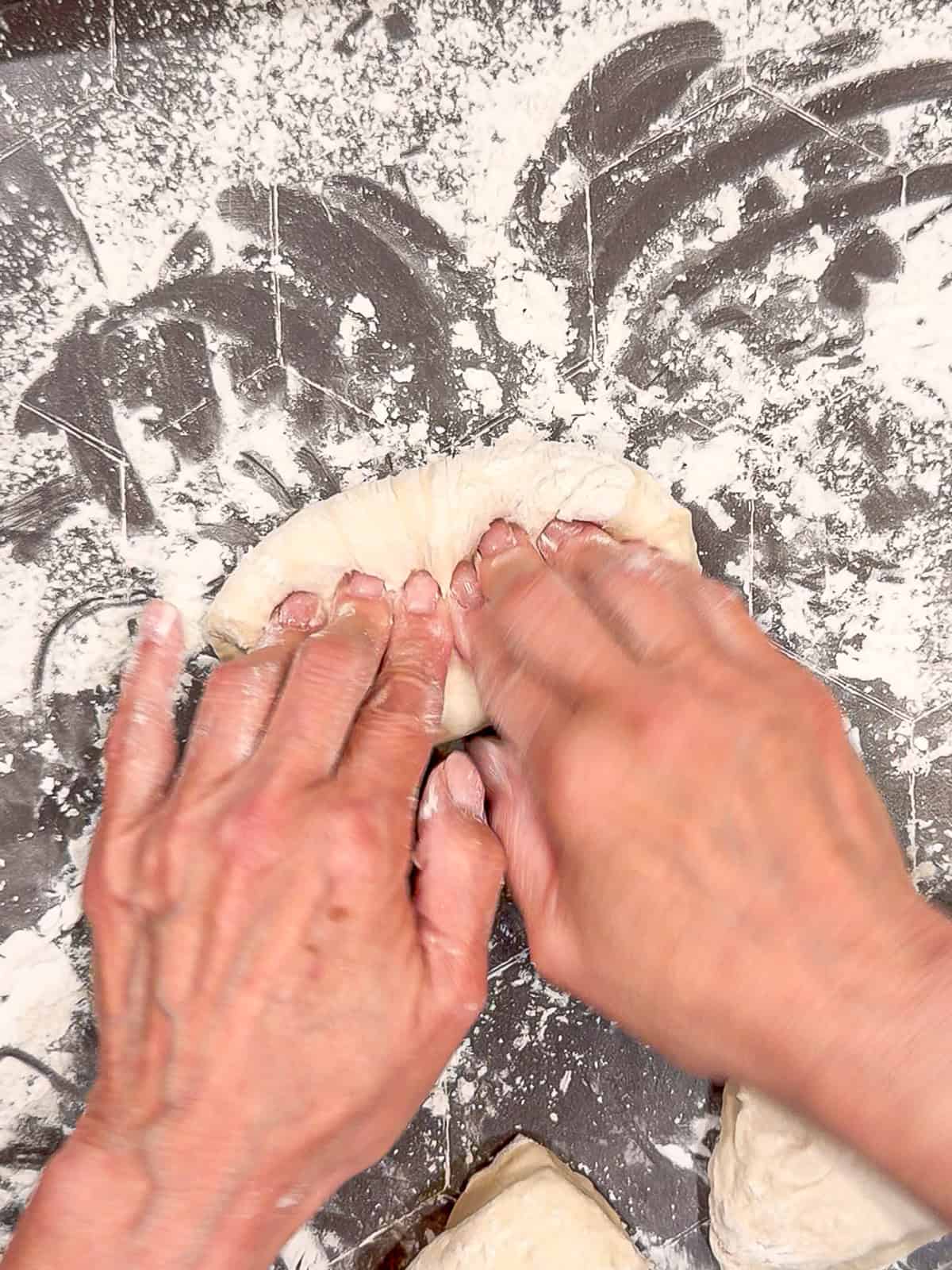
Step 8: Starting with the edge farthest away from you, fold the dough over toward you and press gently along the fold with your fingertips. Continue folding the dough toward you, pressing after each fold, until you have formed a compact oblong roll.
Second rise: Place the shaped roll seam-side down on a parchment paper-lined baking sheet. Repeat with the remaining pieces of dough. Cover the rolls with a clean kitchen towel and let them rest and rise for 30 to 45 minutes while you preheat the oven to 450°F.
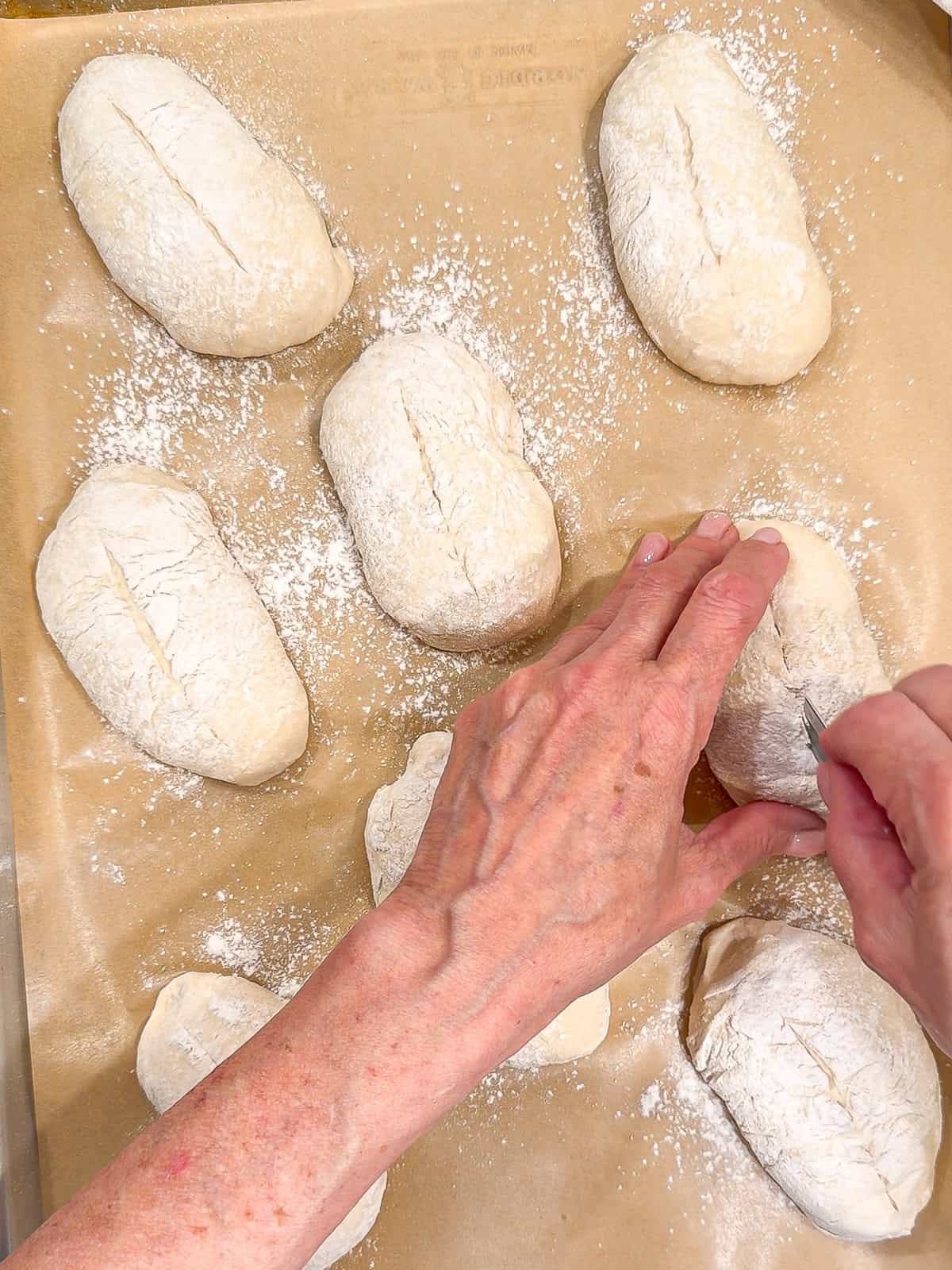
Step 9: If desired, just before baking, use a sharp knife, or a bread lame or razor, to slash each piece of dough on top. This helps to direct the roll where to expand when baking. (again, this is optional)
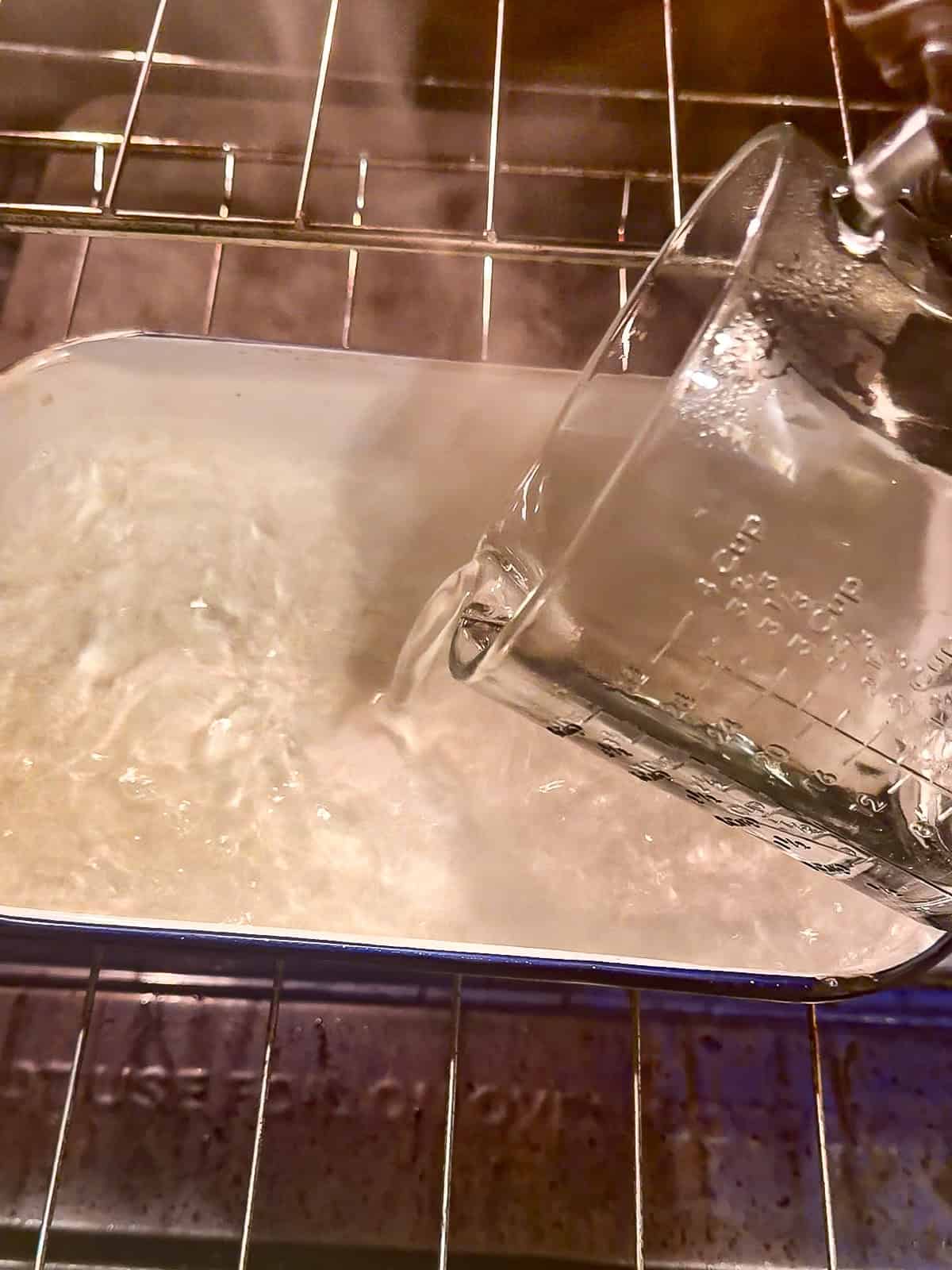
Step 10: Place a metal pan filled with hot water on a lower oven rack. Bake the rolls at 450°F for 18 to 20 minutes, until deeply golden brown and crusty.
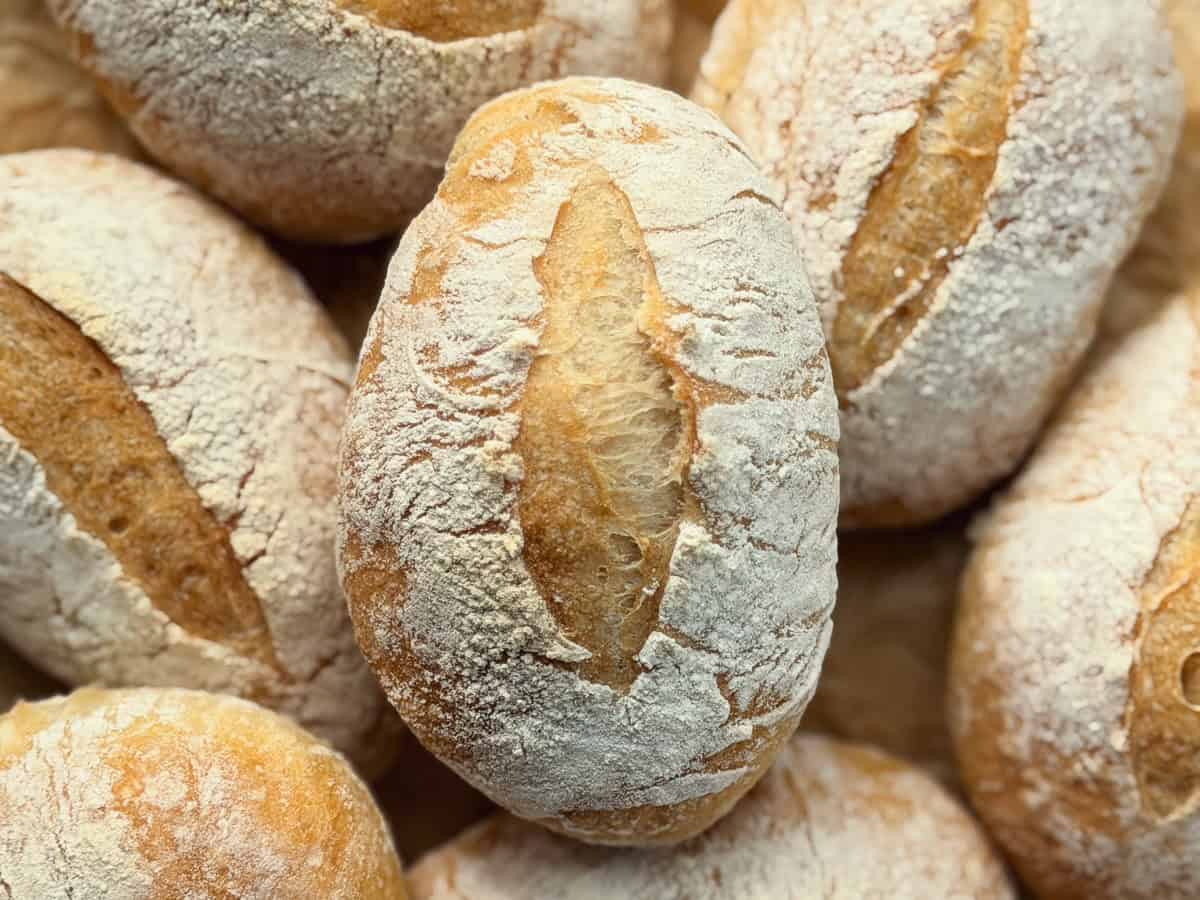
Finish: Transfer the rolls to a wire rack and cool for at least 10 minutes before slicing. Cooling allows the interior crumb to finish setting while helping the outside stay crisp.
Cynthia's Helpful Tips
- Don't add too much flour: The dough should be very soft and sticky. Use enough flour to make it manageable when shaping, but resist adding large amounts of additional flour to the dough.
- Shape for better oven spring: Creating gentle tension across the surface of each dough ball helps the rolls rise up instead of spreading out as they bake.
- Steam makes the crust crisp: Place a metal pan filled with hot water on a lower oven rack while the rolls bake. The steam helps create the thin, crisp exterior that gives these rolls their bakery-style texture.
- Re-crisp leftover rolls: Heat leftover rolls in a 350°F oven for 5 to 7 minutes to bring back their crisp exterior.
Recipe FAQs
Yes, though the texture may be a bit softer and less chewy.
You can speed it up by letting the dough rise in a warm place for 4 to 6 hours, though the flavor will be more mild.
The hot water creates steam in the oven, which helps the rolls rise well and develop a thin, crisp crust. It is an easy way to give homemade bread rolls a more bakery-style texture.
Store in an airtight container at room temperature for up to 2 days. For longer storage, freeze individually wrapped rolls.
For room-temperature rolls, heat them in a 350°F oven for 5 to 7 minutes. Frozen rolls can go into a 350°F oven for about 10 to 12 minutes, or until heated through and crisp outside.
Yes! Absolutely! After letting your dough complete its initial overnight rise, cover the bowl and leave it in the fridge for up to three days. When you're ready to bake, just pull it out and complete the rest of the steps.

More yeast bread recipes
Did you try this recipe?
Please consider leaving a comment with a ⭐️ rating below and tell me all about it! It helps me to continue to improve my content and lets others know what you think!
I appreciate it so much!
-Cynthia
📖 Recipe
Easy Crusty Bread Rolls
Recommended Equipment
- Dough whisk or
- Bread lame or sharp razor blade
- Metal baking pan for creating steam
Ingredients
- 3 ¼ cups (390 g) bread flour
- 1 teaspoon instant yeast
- 2 teaspoons kosher salt
- 1 ¼ cups (300 g) warm water 105°F to 110°F
- Hot water for creating steam in the oven
Instructions
- Mix the dough. In a large mixing bowl, stir together the bread flour, instant yeast, and kosher salt. Add the warm water and stir with a dough whisk or wooden spoon until a shaggy, sticky dough forms.
- Rise overnight. Cover the bowl with plastic wrap, a reusable bowl cover, or a clean kitchen towel. Let the dough rest at room temperature for 8 to 18 hours. The dough should be very soft, sticky, and bubbly when it is ready.
- Turn out the dough. Generously flour your countertop and dust a bench scraper and your hands with flour. Turn the dough out onto the floured surface. Use the scraper or your floured hands to gently fold the dough over itself several times.
- Divide. Divide the dough into 6 or 8 equal portions. Make 6 larger rolls for sandwiches or 8 smaller rolls for serving with breakfast, brunch, or dinner.
- Shape the rolls. Working with one piece at a time on a well-floured counter, gently flatten the dough into a rough oval. Starting with the edge farthest away from you, fold the dough over toward you and press along the fold with your fingertips. Continue folding the dough toward you and pressing after each fold until it forms a compact oblong roll.
- Second rise. Place each shaped roll seam-side down on a parchment paper-lined baking sheet. Cover with a clean kitchen towel and let the rolls rest for 30 to 45 minutes. Meanwhile, preheat the oven to 450 F.
- Score. Just before baking, use a sharp razor or bread lame to slash the top of each roll.
- Add steam and bake. Place a metal pan on a lower oven rack and carefully add hot water to the pan. Place the baking sheet with the rolls on the rack above it. Bake for 18 to 20 minutes, or until the rolls are deeply golden brown and crusty.
- Cool. Transfer the rolls to a wire rack and let cool for at least 10 minutes before slicing.
Save this recipe
We'll email it to you.Video
Notes
- Sticky dough is good. This is a wet dough, so resist the temptation to work a lot of extra flour into it. Use flour on your hands, counter, and bench scraper to make handling easier.
- For sandwich rolls, divide the dough into 6 portions.
- For smaller bread-basket rolls, divide it into 8.
- Use a metal pan for the hot water. Do not use a glass or ceramic pan, which can shatter from thermal shock.
- Store leftover rolls in an airtight container at room temperature for up to 2 days.
- To re-crisp leftover rolls, heat them in a 350 F oven for 5 to 7 minutes.
- Freeze rolls for up to 2 months. Thaw at room temperature or reheat from frozen.


Easy to make. Taste great.
Dough didn't rise after 11 hours. It also wasn't wet and sticky. Made a second batch. Still not wet and sticky and I followed the directions exactly.
I’m so sorry you had this experience. It sounds like your yeast was no longer alive. This can even happen with a new jar of yeast. It’s only happened to me once in 30 years, but it’s not impossible. Before starting a recipe, if you’re unsure if your yeast is still viable, you can add it to a glass of warm water (between 110 and 115°F) with a little bit of sugar.After five minutes it should start foaming. I hope this helps.
Rolls turned out fairly well but had the same problem I often do, which is that the batter was very wet and sticky so I couldn't shape them properly, leading to slightly flatter rolls. Do you recommend I use more flour in future, or do you think it's just where I live perhaps?
I just redid this recipe live on my Instagram stories and they came out as amazing as always. The dough is naturally wet and sticky, but if you do folding – over technique and make sure that you’re rolling nice tight balls of dough, they should not come out flat. I suspect it has something to do with the way that you’re measuring the flour and/or the water. Are you using a scale to measure? That is the most accurate way to make sure that everything is correct. I hope this helps and you reach out so that we can troubleshoot some more.
my rolls taste & texture reminded me of Ciabatta type rolls. totally awesome.👍🏼
That sounds great!
Can you partially cook these rolls and freeze them and cook when ready
I wouldn’t recommend par baking these rolls as they don’t have the same structure as regular dinner rolls and might not rise as fully. I would recommend baking them and then freezing them when cool. When you want to serve them just place them directly on your oven rack at 325° for about 10 to 15 minutes. They should be as crispy or even more crispy then when you first baked them!
Have u ever put this dough in the fridge overnight after it’s sat on the counter for 12-18 hours? Thank u
Absolutely! You only need to let it rise for about 2 hours and then you can pop it in the fridge for up to 5 days. Just pull it out when you're ready to bake and let it come to room temp for about an hour.
You don't say how large your Dutch oven is. Would you be able to fit these in a 6.5 qt Dutch oven. Thank you
I don’t tell you what size Dutch oven because the recipe does not call for using a Dutch oven. I recommend placing the dough balls on a piece of parchment paper and baking them on the back of a large sheet pan. I suppose you could cook them in a Dutch oven, but the sides of the rolls will be touching and they will be soft around the edges because of that.