
My favorite tools for better breakfasts, brunches, and baking
After years of working in professional kitchens and bakeries, and even more years cooking on TV, social media, and at home, I've learned that having the right tools makes all the difference. I've also learned that you don't need every gadget on the market to make really good food.
These are the tools I actually use, from inexpensive everyday essentials to nice-to-have extras and serious upgrades that have earned their place in my kitchen. I've organized everything by type of equipment so you can jump straight to what you're looking for. Some things I'd recommend to almost anyone. Others make sense only if you love to cook and bake as much as I do.
This page contains affiliate links. If you make a purchase through one of my links, I may earn a small commission at no additional cost to you.
Jump to:
- Measuring and Mixing Tools
- Knives and Cutting Boards
- Graters, Strainers, and Prep Tools
- Biscuit, Bread, and Pastry Tools
- Baking Pans, Cooling Racks, and Parchment
- Kitchen Thermometers
- Skillets and Frying Pans
- Small Appliances and Brunch Favorites
- Stand Mixers, Food Processors, and Blenders
- Kitchen Storage and Organization
- More Kitchen Tools I Love
Measuring and Mixing Tools
Kitchen scale
You'll need a kitchen scale for most of my baking recipes. Weighing ingredients is the best way to get consistent results, especially when you're working with flour. There are plenty of scales on the market, but this inexpensive Escali kitchen scale is accurate, reliable, and easy to use.
Mixing bowls
I almost exclusively use glass mixing bowls. They go in the microwave and dishwasher, they don't absorb odors or stains, and I can look through the bottom to make sure everything is mixed. I try to keep my recipes to one bowl whenever possible, but a nesting set in different sizes makes life so much easier.
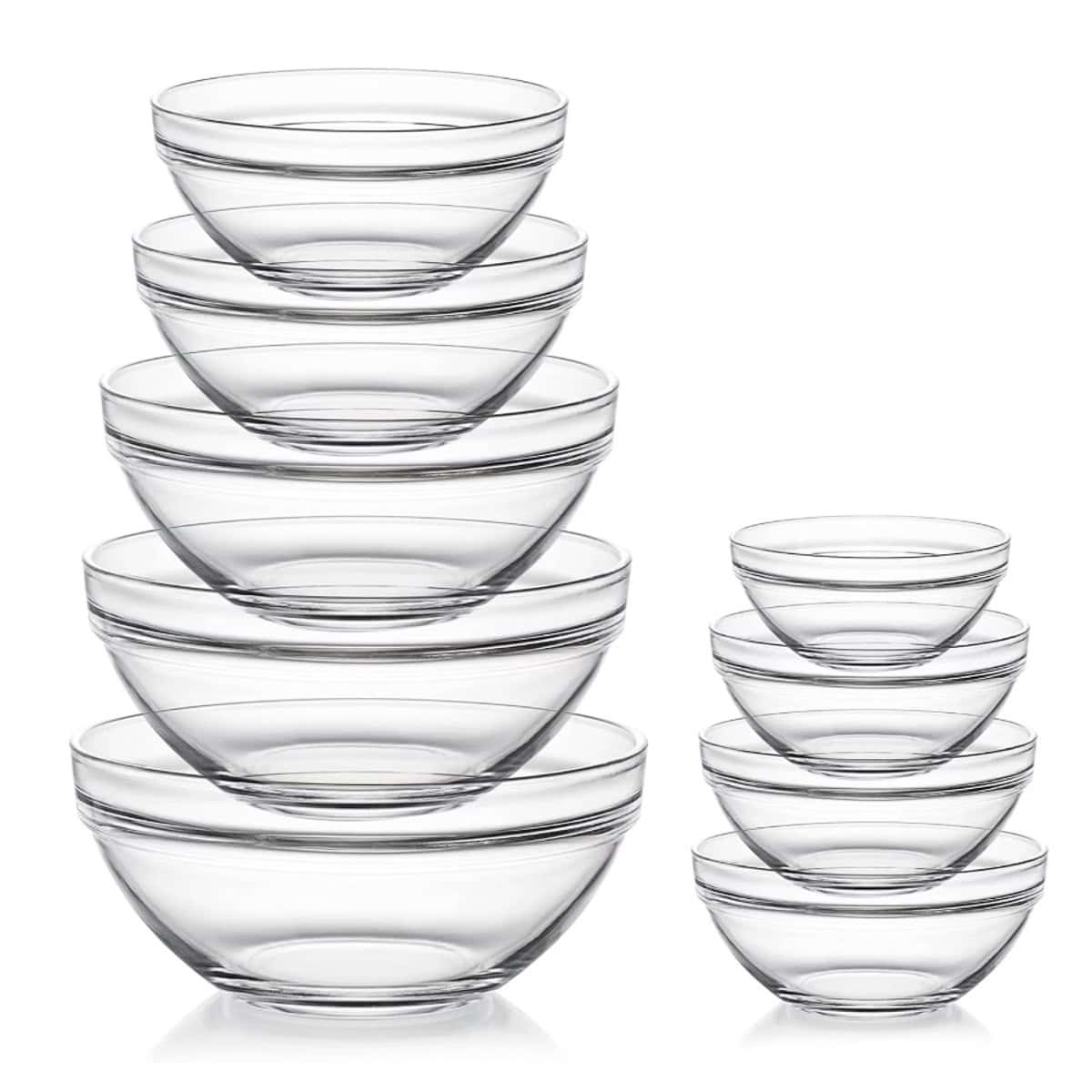
- Glass mixing bowls: My daughter gave me this set of glass mixing bowls a couple of years ago, and I use them just about every day. Often more than once.
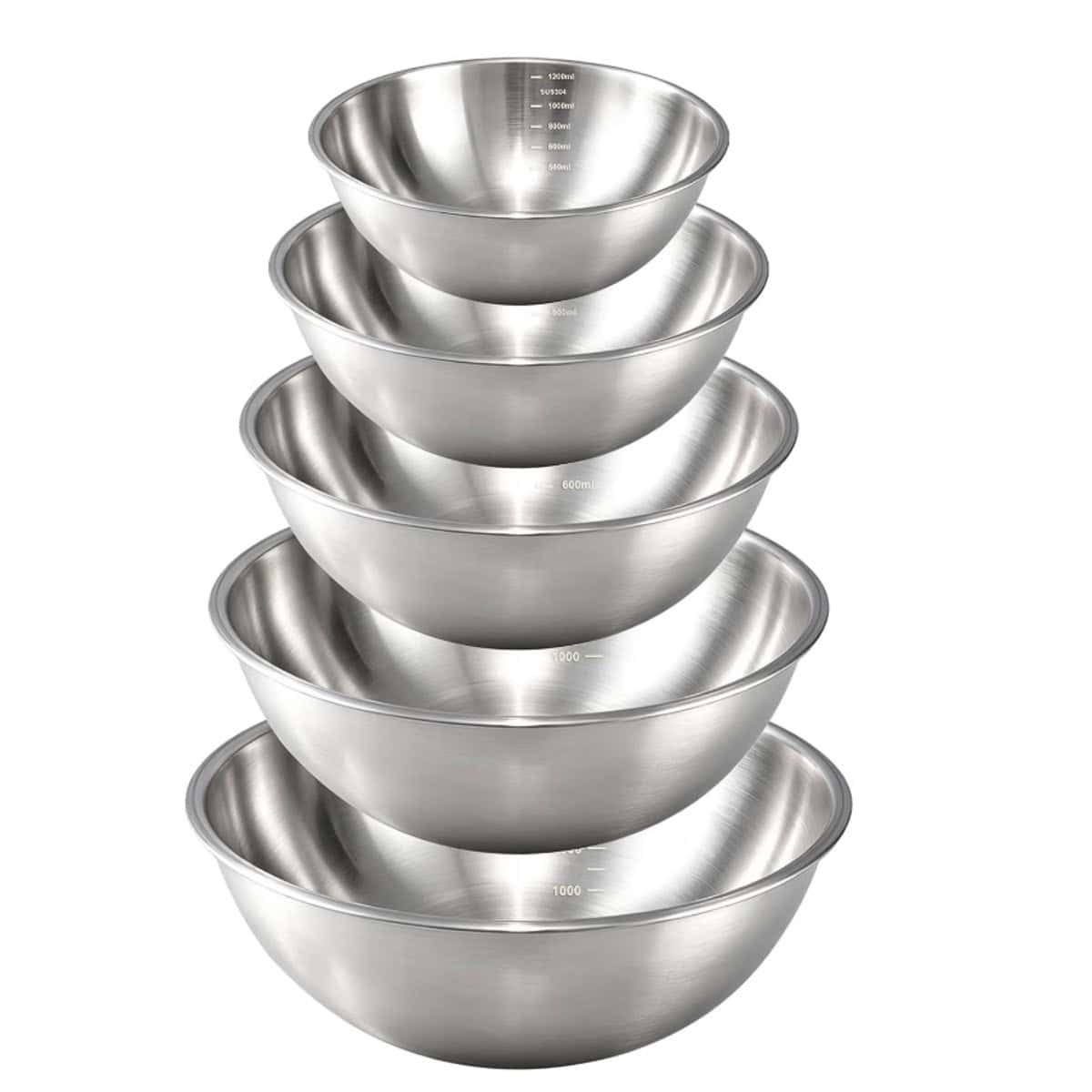
- Metal mixing bowls: If you prefer metal, this nesting set has handy measurement markings inside. I still recommend weighing your ingredients, though!
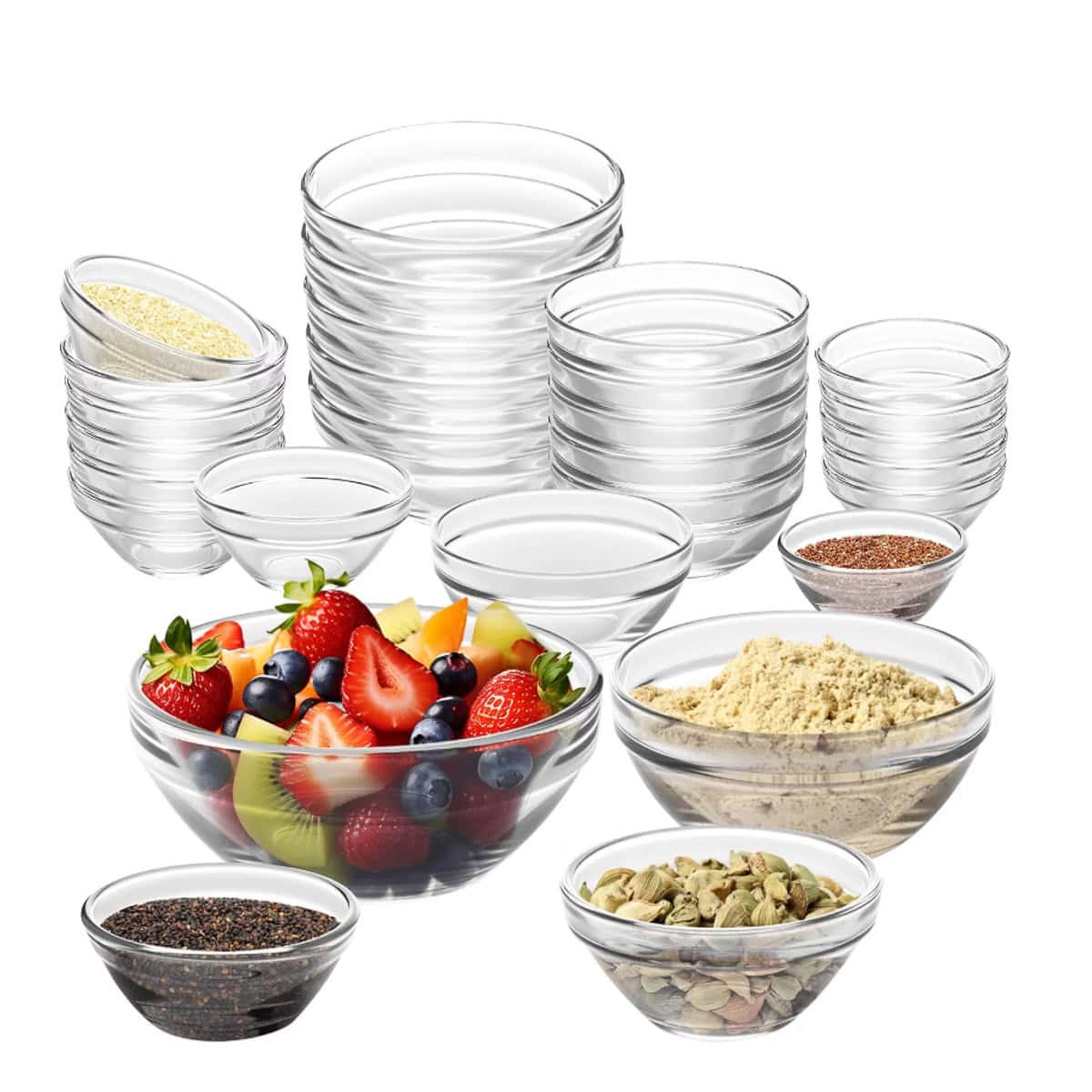
- Small ingredient bowls: In professional kitchens, we call having everything measured and ready to go mise en place. These little glass ingredient bowls help me get organized before I start cooking, so I'm not stopping halfway through to measure or chop something.
Liquid measuring cups
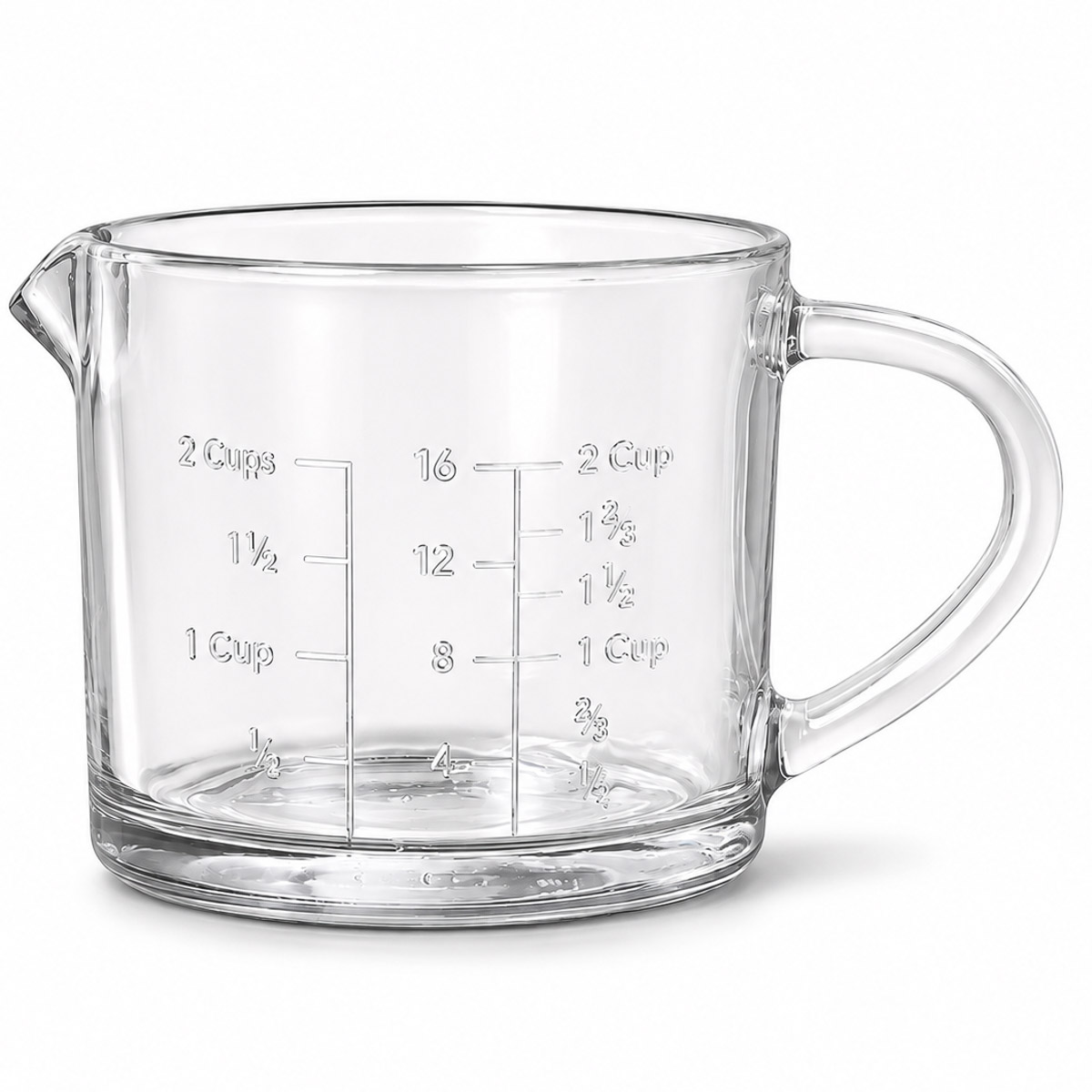
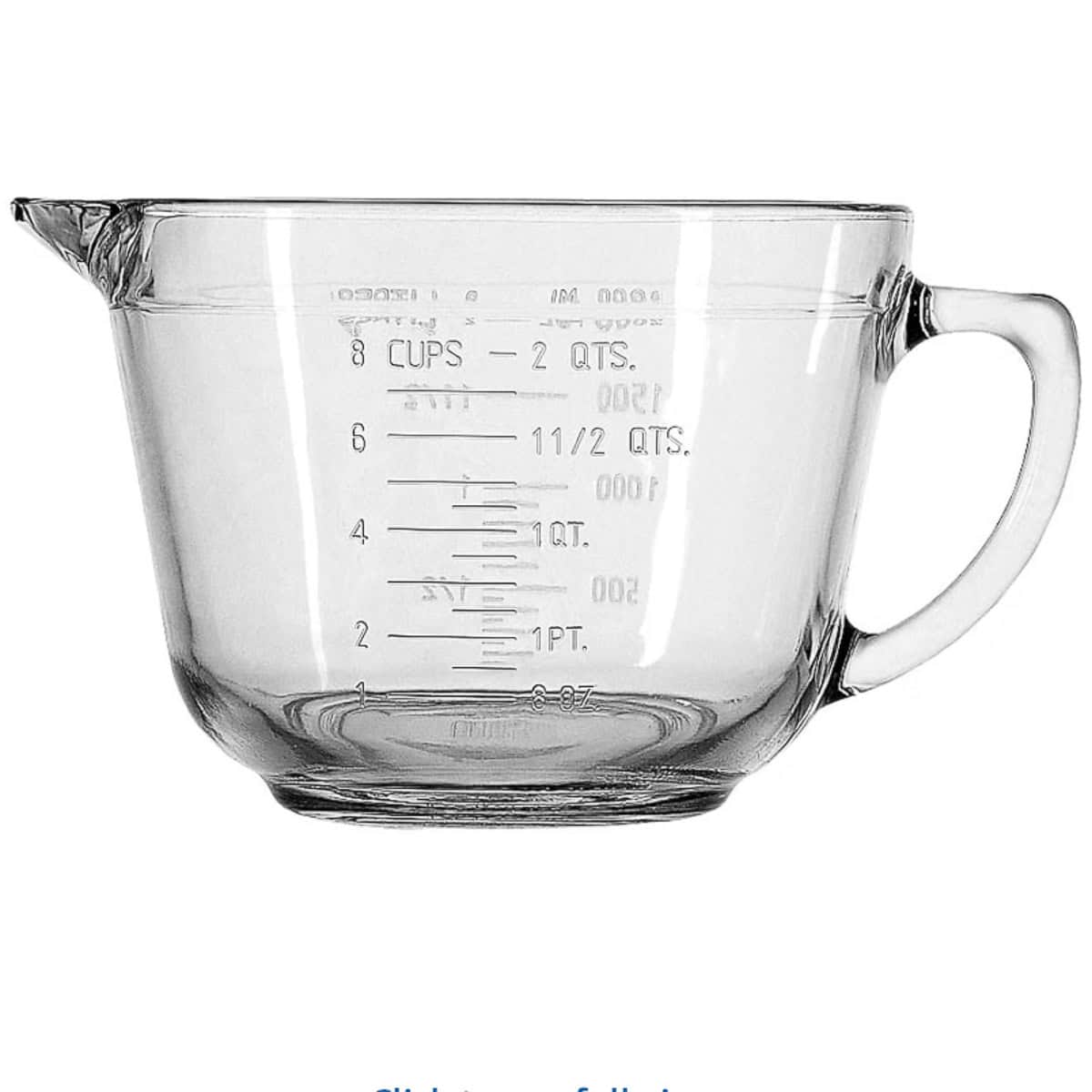
I weigh my ingredients, but I still need something to pour them into! I look for embossed or etched markings because the printed ones eventually wear off, especially after lots of trips through the dishwasher.
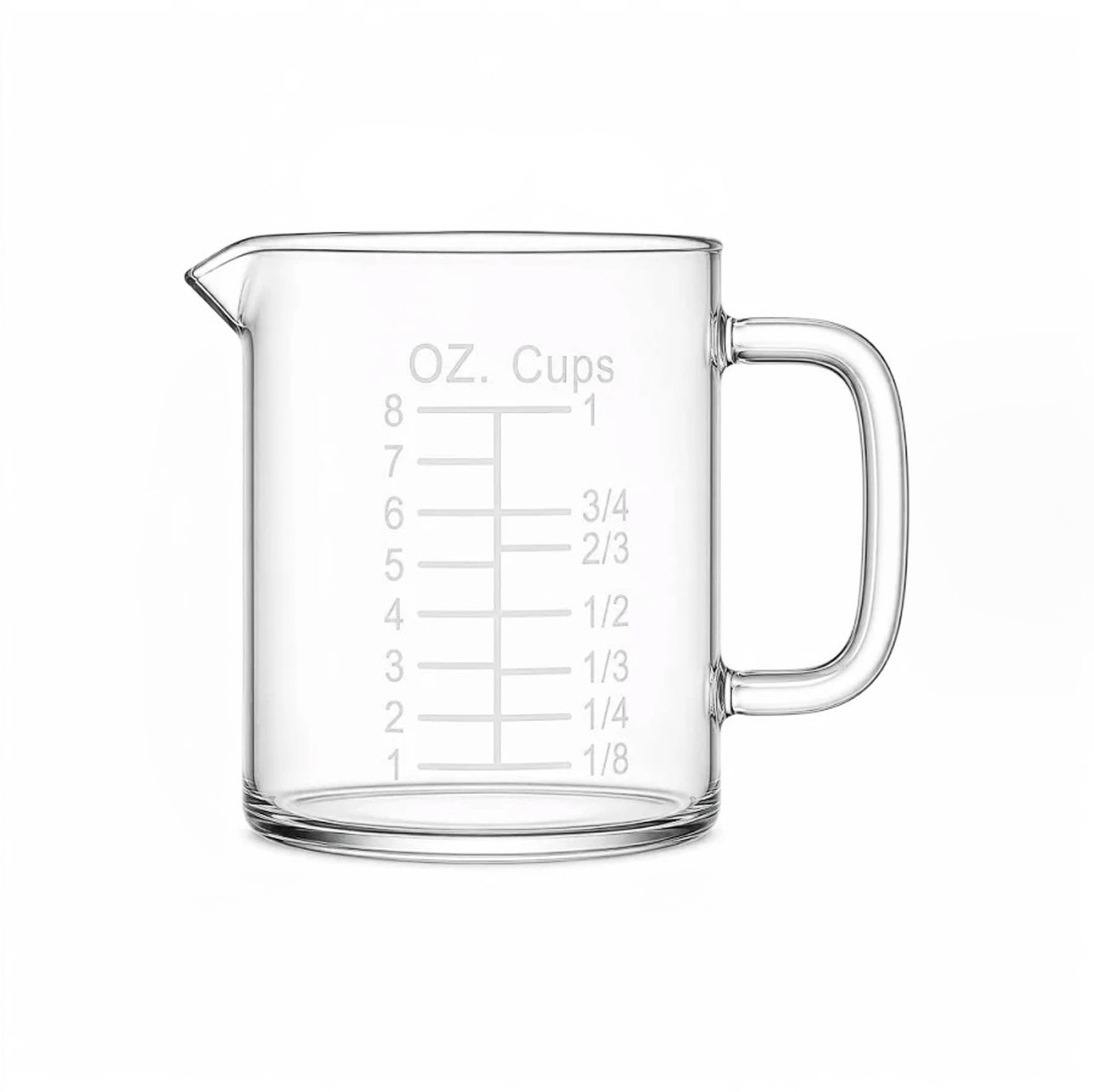
- 1-cup glass measuring cups: These etched glass measuring cups have a sharp, narrow spout that doesn't drip when I'm adding milk to my country gravy or pouring a small amount of liquid.
- 2-cup measuring cup: This larger measuring cup has embossed markings that won't wash off.
- Batter measuring bowl: I love this large measuring bowl with a spout for cake batter and one-bowl recipes. I can mix everything right in the bowl and pour it directly into the pan.
Dry measuring cups and spoons
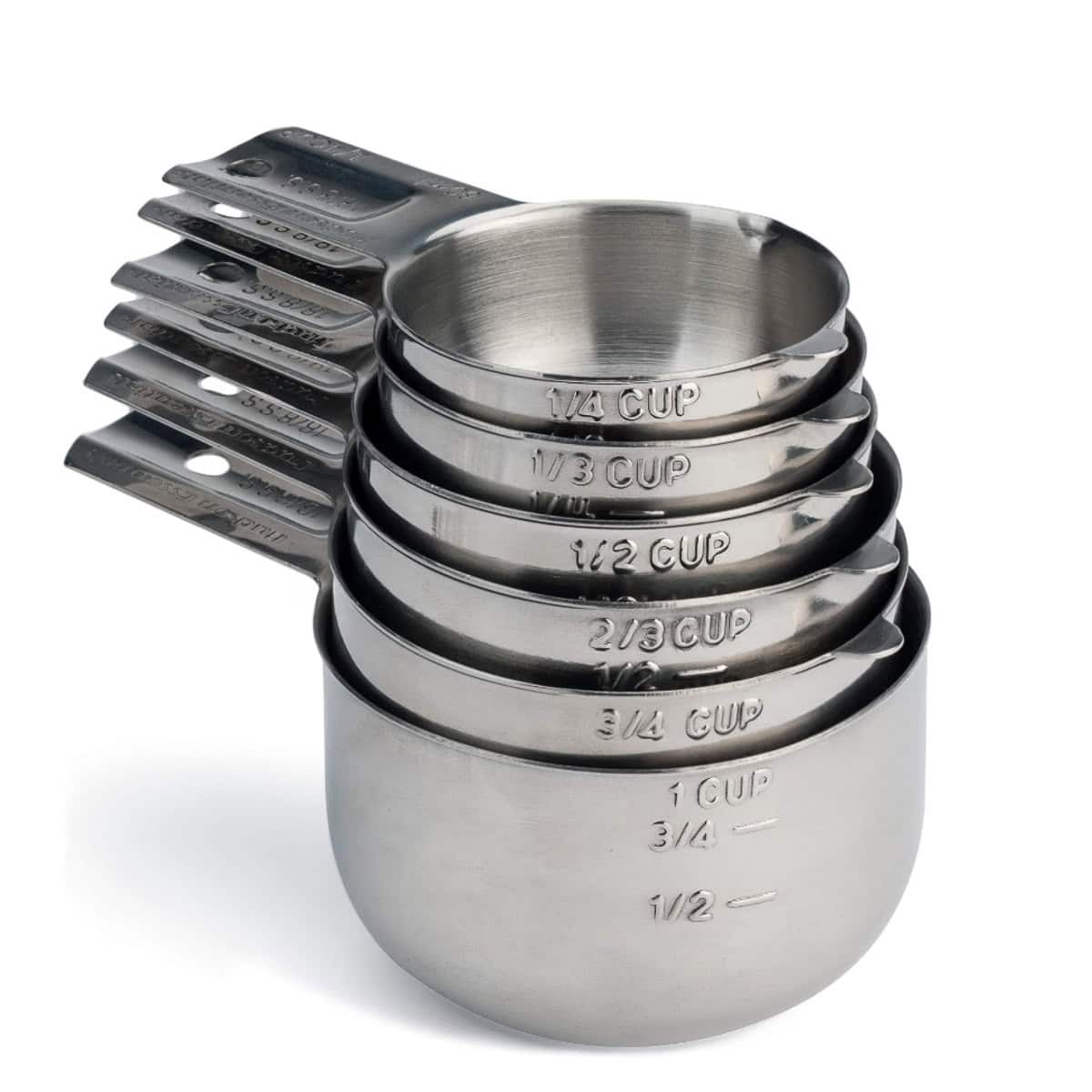
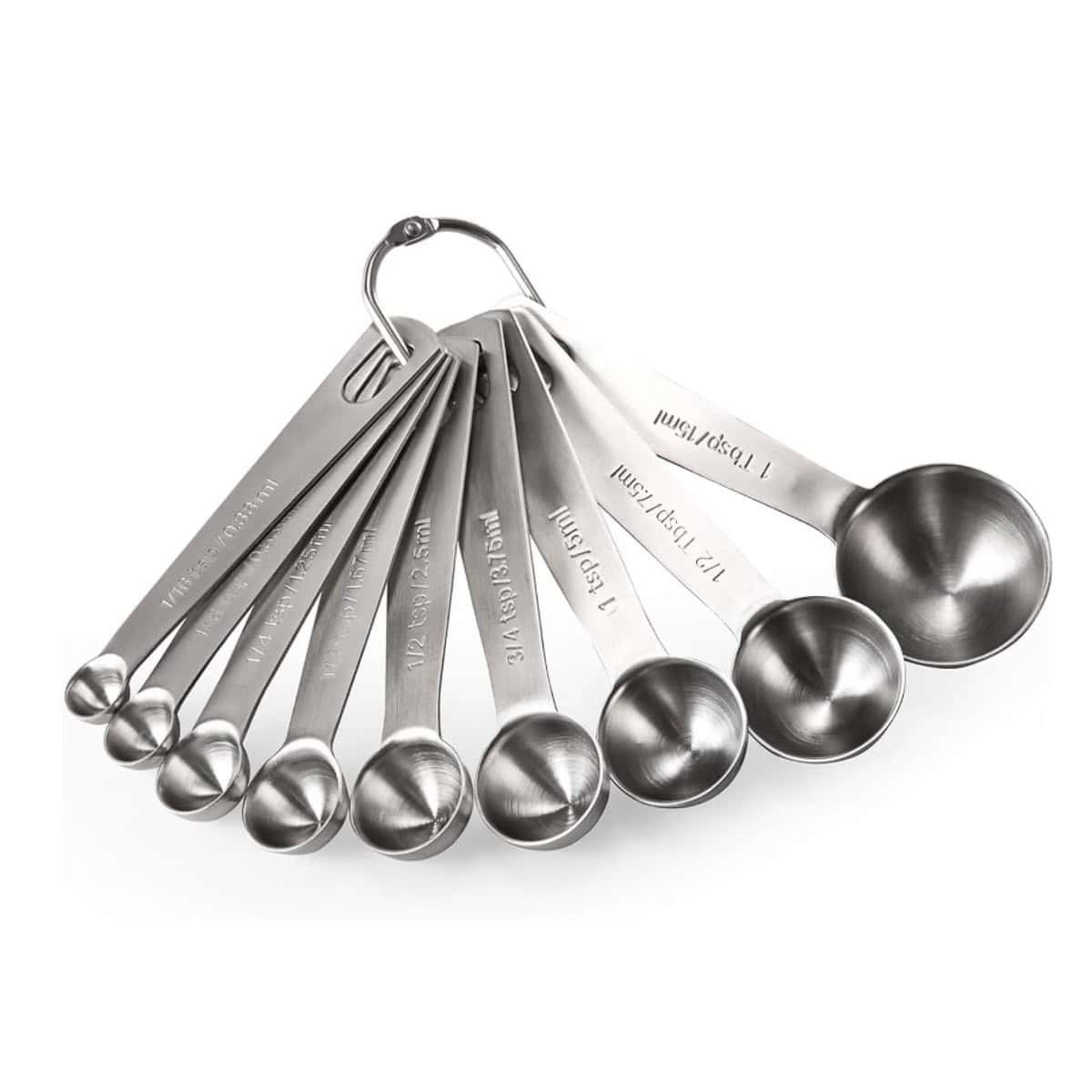
Even though I usually weigh my flour and other baking ingredients, I still keep a good set of stainless steel dry measuring cups handy. They nest together, have extra measurements marked inside, and have sturdy handles that can take a beating.
For baking powder, baking soda, extracts, and salt, I use a metal set of measuring spoons. It includes more sizes than the usual basic set, which comes in handy when a recipe calls for an odd measurement.
Whisks
I grew up in a Korean household, and I'm not sure my mother even owned a whisk. I still use chopsticks to whisk eggs and other wet ingredients! When I do reach for a whisk, I prefer a silicone whisk because I can't stand the sound of metal clanking against a bowl. If I'm working with something that needs to stay very cold, I'll use my metal whisk.
Silicone spatulas
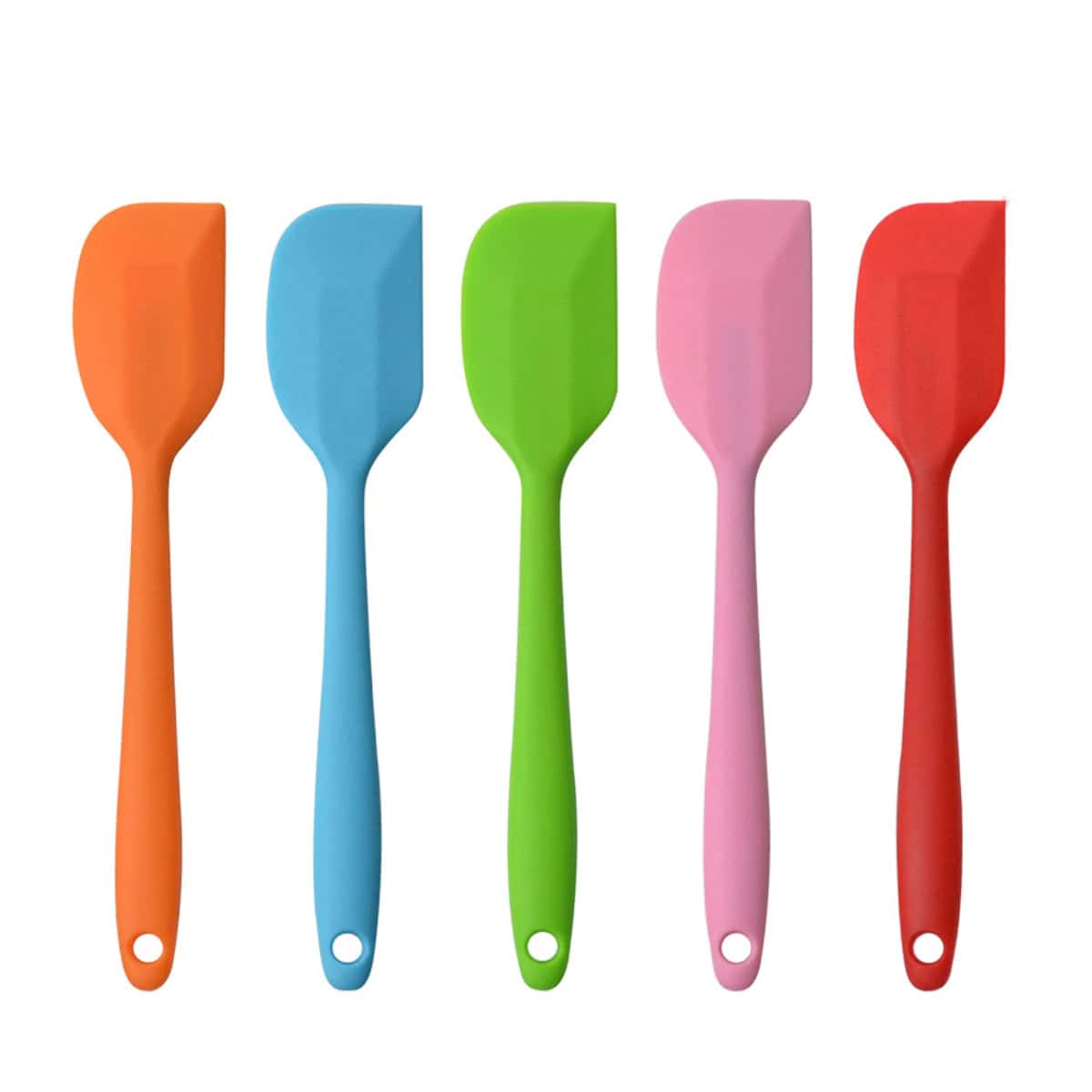
Everyone needs a good silicone spatula. Or twelve. I particularly like spatulas with a defined edge that can scrape every last bit from a mixing bowl.
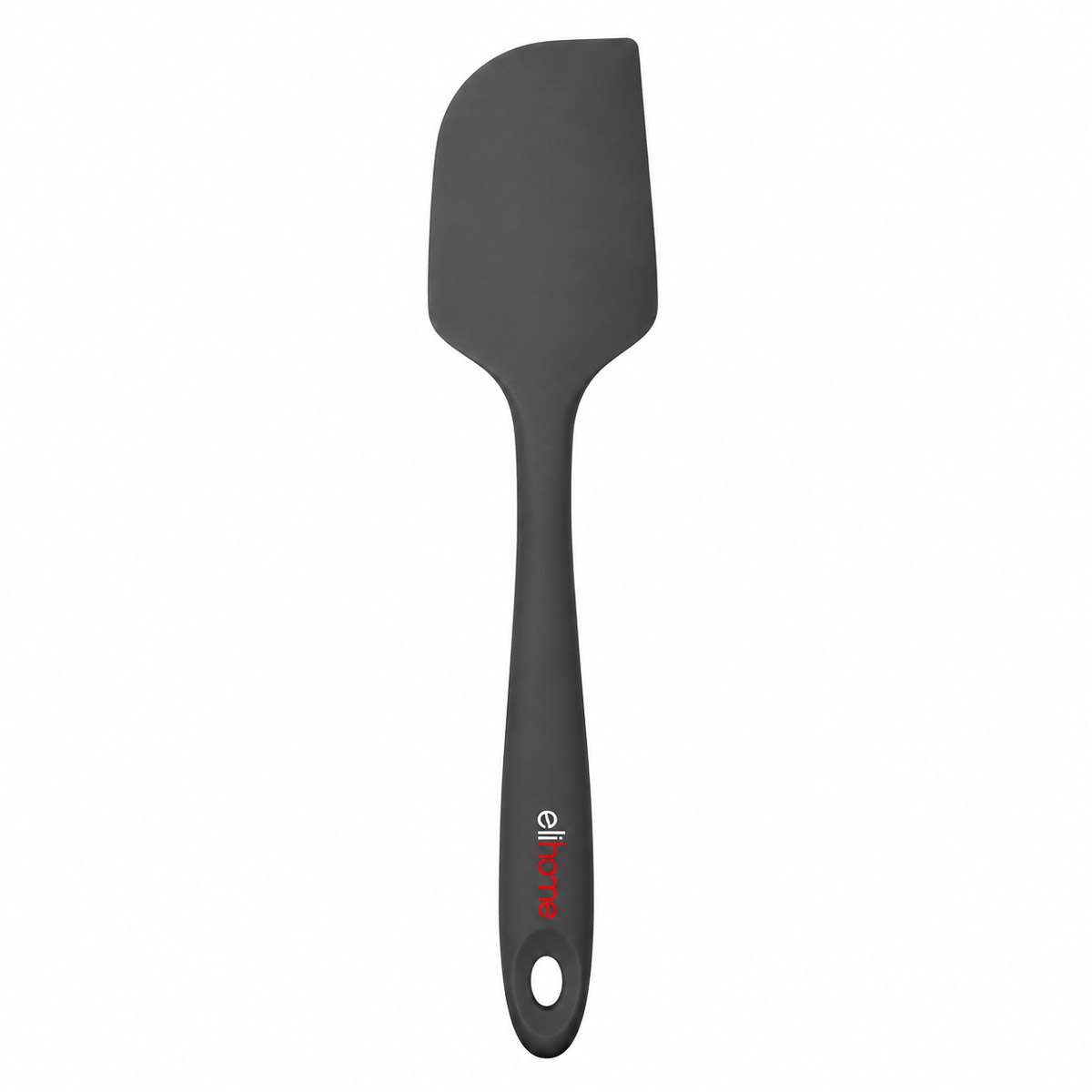
- Large spatulas: I use these large spatulas for mixing batters and bringing dough ingredients together before transferring them to my stand mixer. I keep a couple in my drawer.
- Small spatulas: These small spatulas are perfect for soft scrambled eggs, scraping jars, and jobs that need a lighter touch. I have about a dozen in different colors. A girl likes options.
Cookie and Batter Scoops
I use scoops for everything from portioning dough and batter to filling my brioche pastries. I especially love the squeeze-trigger handles on these because they're comfortable to use with either hand, something I really came to appreciate while recovering from a broken hand.
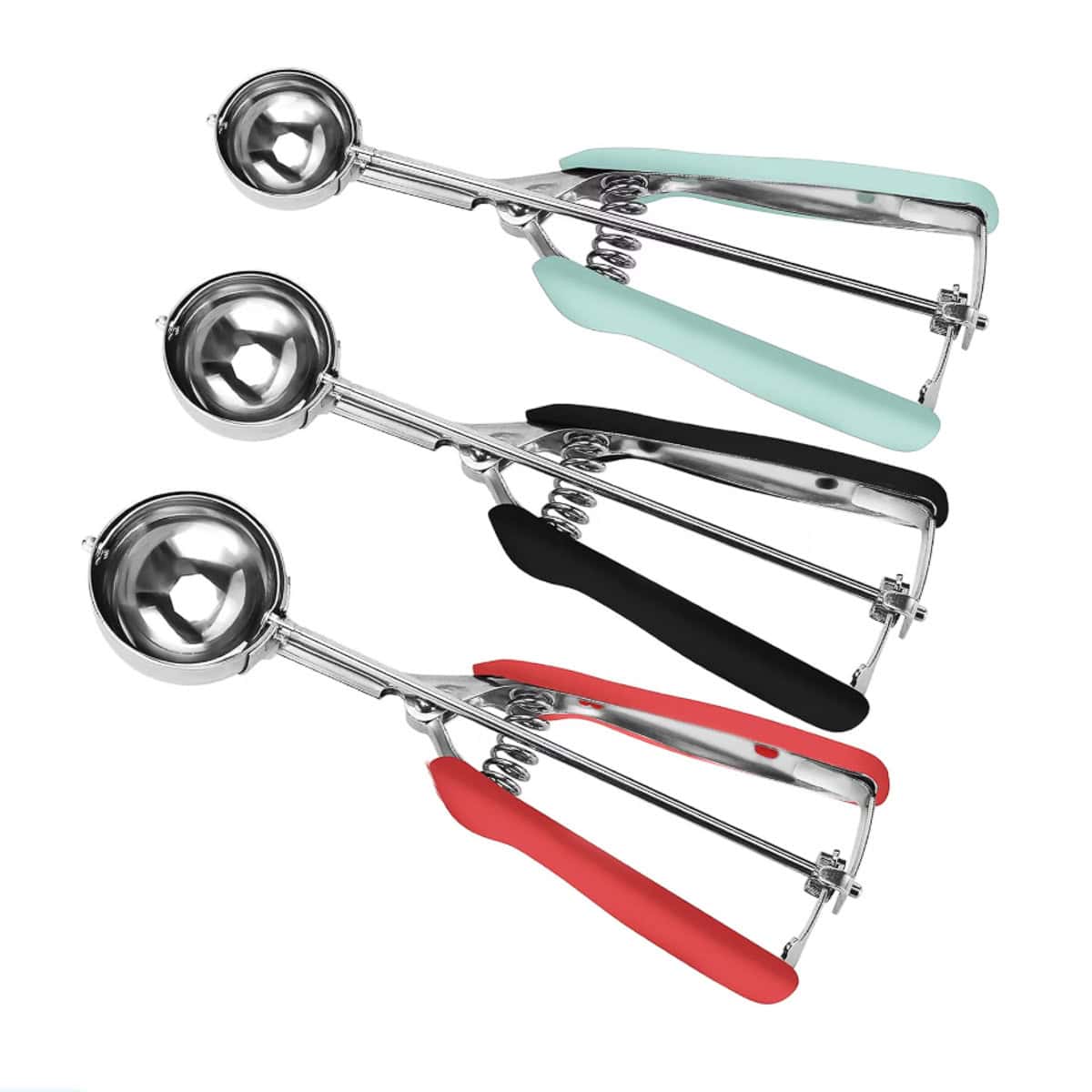
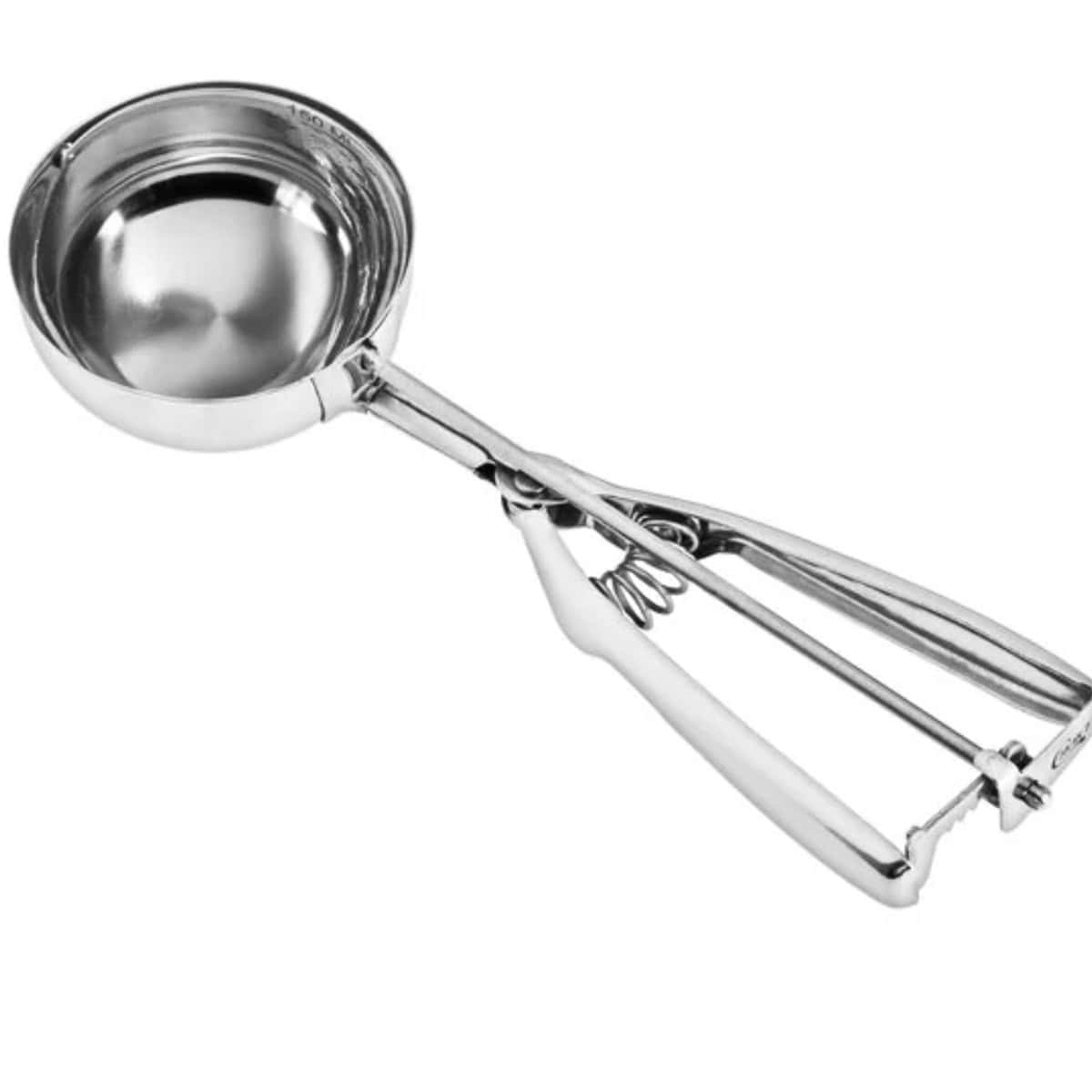
- Set of 3 scoops: This set of three scoops comes in different sizes that are perfect for making cream cheese balls for my bagel bombs, portioning pastry fillings, scooping drop biscuits, and filling muffin tins. The squeeze trigger works equally well with either hand, which is a big plus!
- Large batter scoop: I use this large scoop for portioning pancake and waffle batter and transferring thick cake batter into baking pans without making a mess. It has the same easy-to-use squeeze trigger, so it works just as well for lefties as it does for righties.
Knives and Cutting Boards
Knives
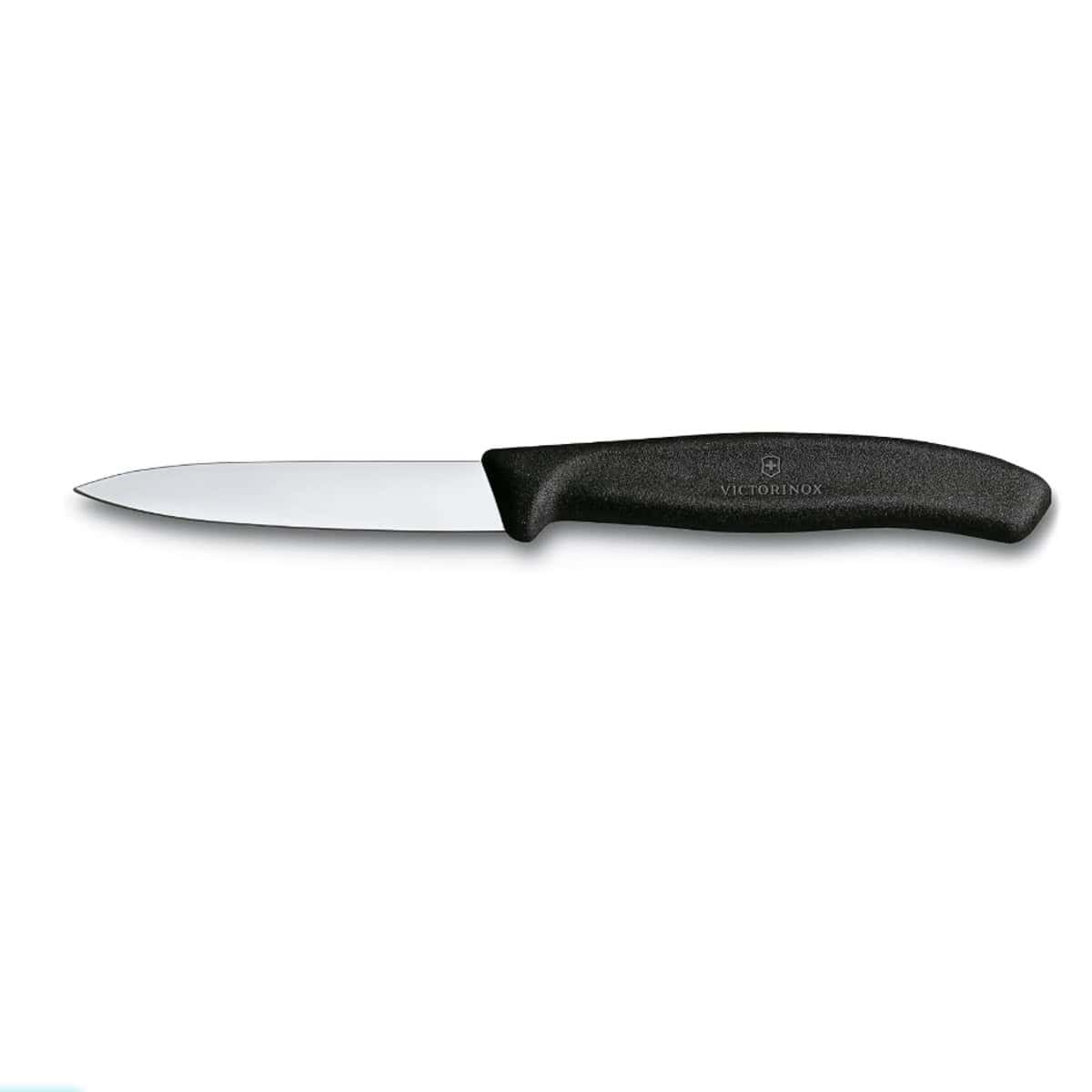
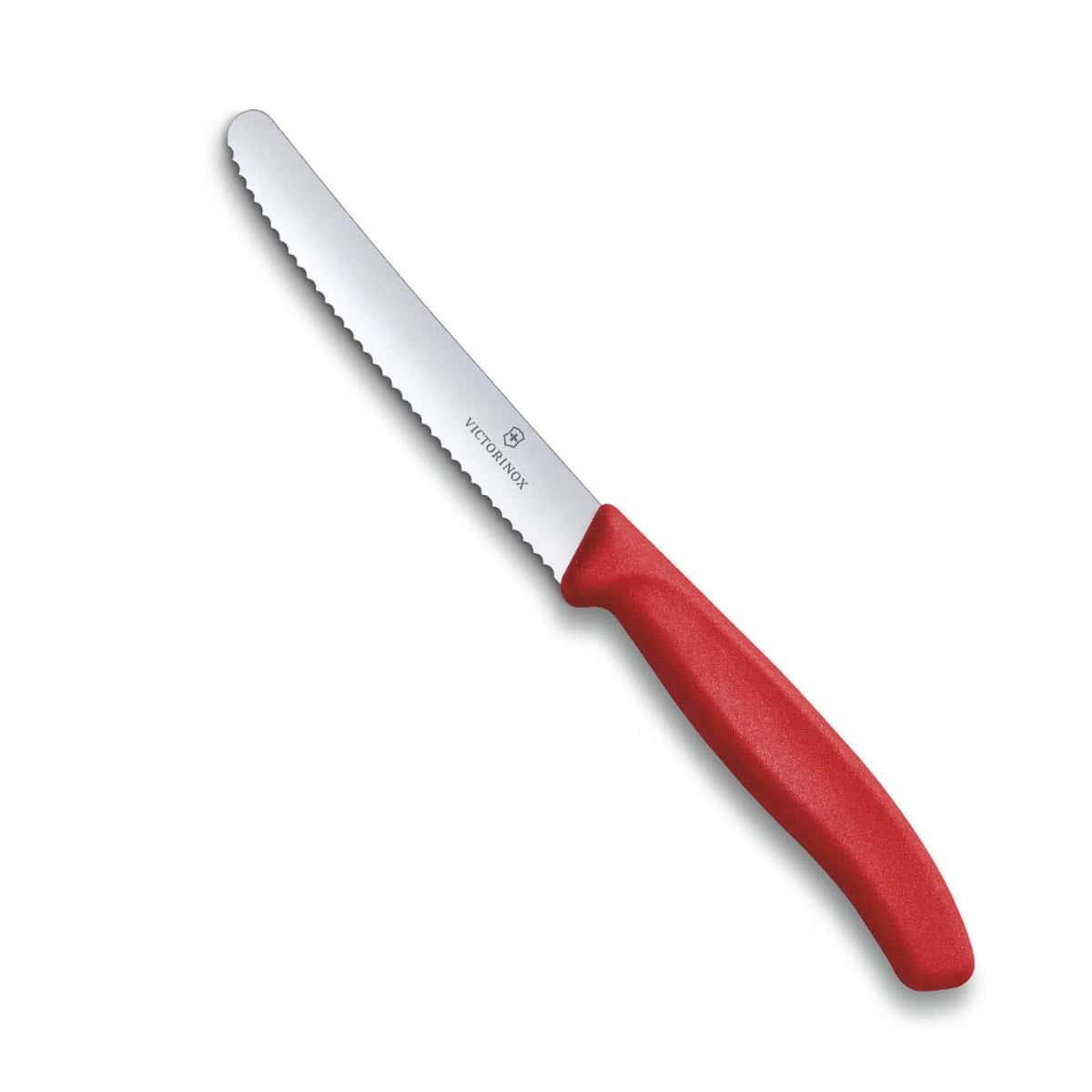
After years of working in professional kitchens, I can tell you that you don't need a drawer full of expensive knives. A good chef's knife, a paring knife, and a serrated bread knife will handle most kitchen jobs. I'm not loyal to any one brand, but I especially like Victorinox because the knives are dependable, sharp, and affordable.
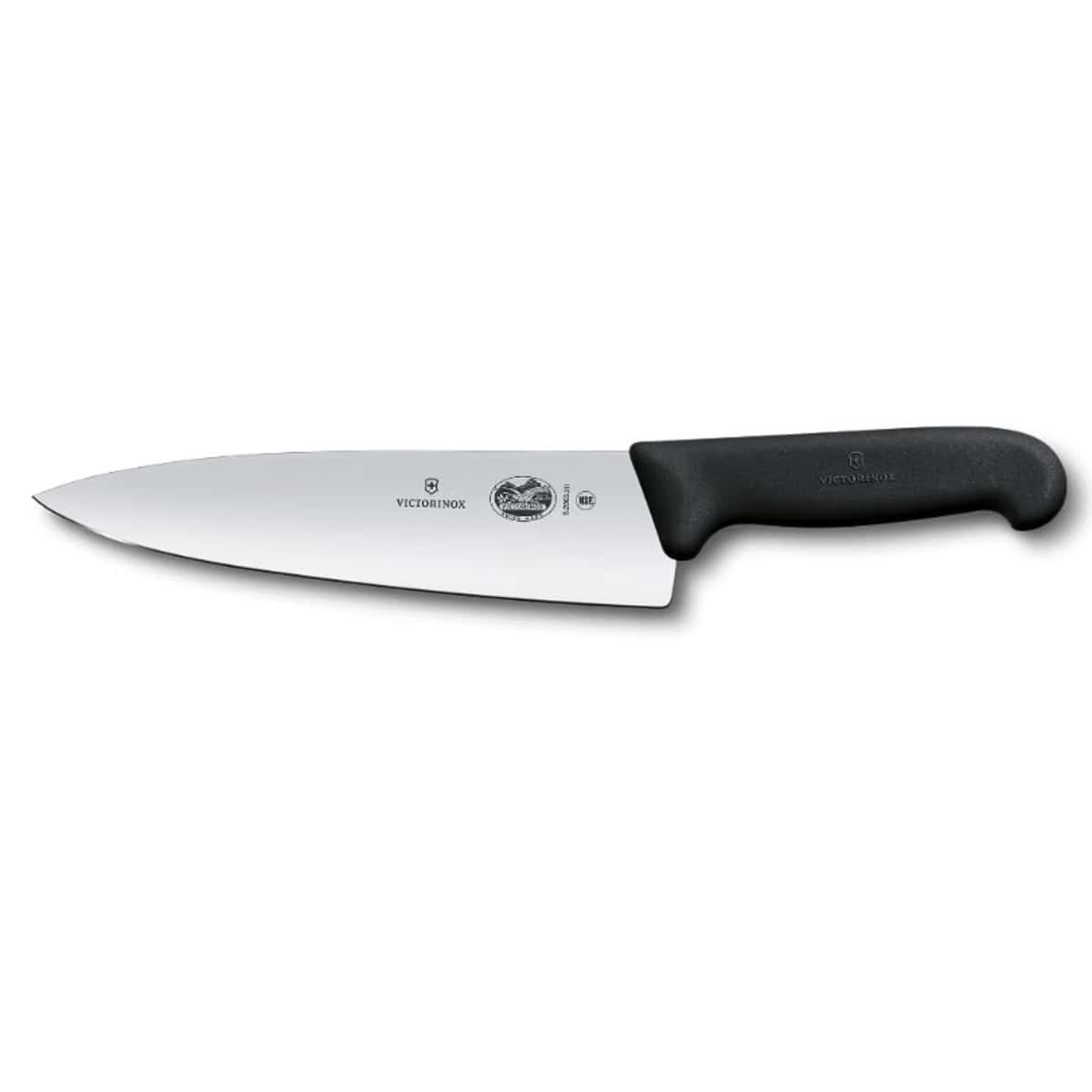
- Chef's knife: This affordable 8-inch chef's knife is a great place to start. I even take mine to outside events and television appearances. If it gets misplaced, at least it won't cost me an arm to replace. There's a 10-inch option if you prefer a larger knife.
- Paring knife: For peeling fruit and doing small, precise jobs, a paring knife rounds out the basics.
- Small serrated knife: This little serrated knife might be the most-used knife in my kitchen. It's perfect for fruit, tomatoes, and splitting English muffins. I've given them to my daughters for Christmas, and they keep asking for more.
- Serrated bread knife: It isn't from Victorinox, but for slicing homemade bread or cutting a log of cinnamon roll dough, this serrated bread knife is the best I've used, and it won't break the bank.
Cutting boards
A cutting board doesn't have to be fancy, but it should be sturdy, easy to clean, and suitable for the job. I like having a few options instead of dragging out the same giant board for everything.
- Bamboo boards: Bamboo cutting boards are lightweight, affordable, and easy to store, especially if you buy a set in different sizes.
- Maple board: If you're going to invest in one really good board, a maple cutting board is a great choice. With proper care, it can last for years.
- Small prep board: A smaller prep board is perfect for slicing a lemon, chopping a little garlic, or cutting a piece of cheese without hauling out a large board.
- Plastic cutting board: I like a sturdy, dishwasher-safe OXO cutting board for raw meat and chicken. Replace plastic boards when deep knife grooves develop.
Graters, Strainers, and Prep Tools
Graters
Different jobs call for different sizes of grater. You don't need every style, but these are the ones I reach for most often.
- Fine zester: My fine zester is perfect for citrus zest, nutmeg, Parmesan, garlic, and ginger. It's also much easier to clean than a box grater.
- Medium handheld grater: This handheld grater gives me a little more texture for cheese in cheddar biscuits, frittatas, and other breakfast favorites.
- Coarse grater: For shredding potatoes for hash browns or larger amounts of cheese, this coarse grater does the job quickly.
- Box grater: I love this box grater with a catch container that clips onto the bottom. Less grated cheese all over the counter is always a win.
Bench scraper
I started using a bench scraper when I worked in a professional bakery, and now I can't imagine my kitchen without one. Actually, I have two. They're great for cutting biscuits, dividing dough, chopping butter, transferring ingredients, and scraping the counter clean.
I prefer an all-metal scraper with measurement markings along the edge. There isn't a handle to break or collect gunk, and those markings help me check the height of my biscuits before cutting them.
Fine-mesh strainers
I use these wire-mesh strainers for sifting flour and powdered sugar, straining sauces and syrups, and rinsing rice or berries. Here's a little trick: Slip a spoon through the loop opposite the handle to help hold the strainer steady over a bowl or jar while you pour.
Multifunction chopper, slicer, and grater
I never thought I'd be a fan of a multifunction chopper until I broke my hand. Now I'm a convert. My only complaint is that it didn't come with a storage box, but an inexpensive plastic container from the dollar store solved that.
Biscuit, Bread, and Pastry Tools
Biscuit cutters
With almost 3 dozen biscuit recipes, and the title of The Biscuit Queen of new Jersey, it would be irresponsible for me not to include biscuit cutters. In typical Cynthia fashion, I have three kinds, and each has a job.
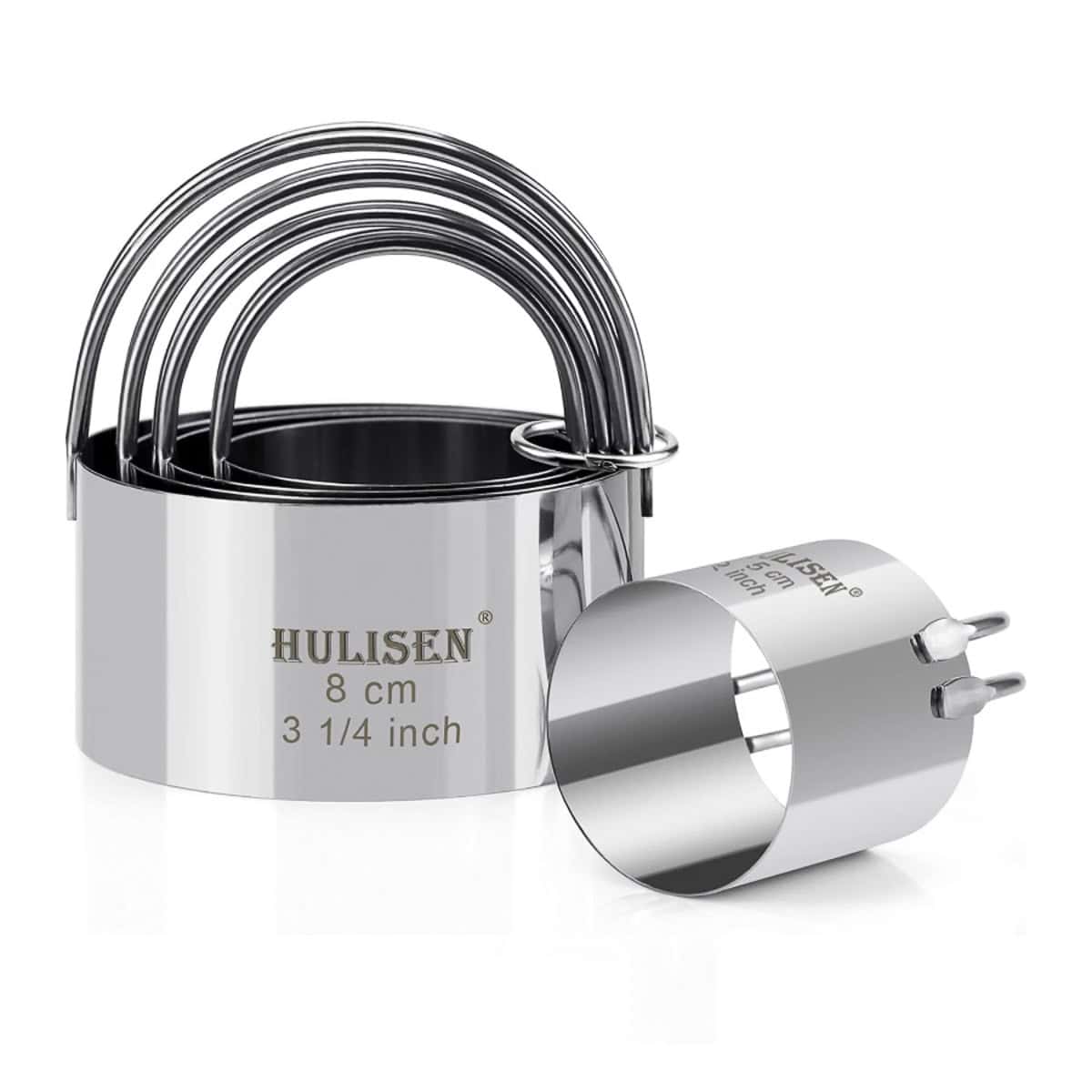
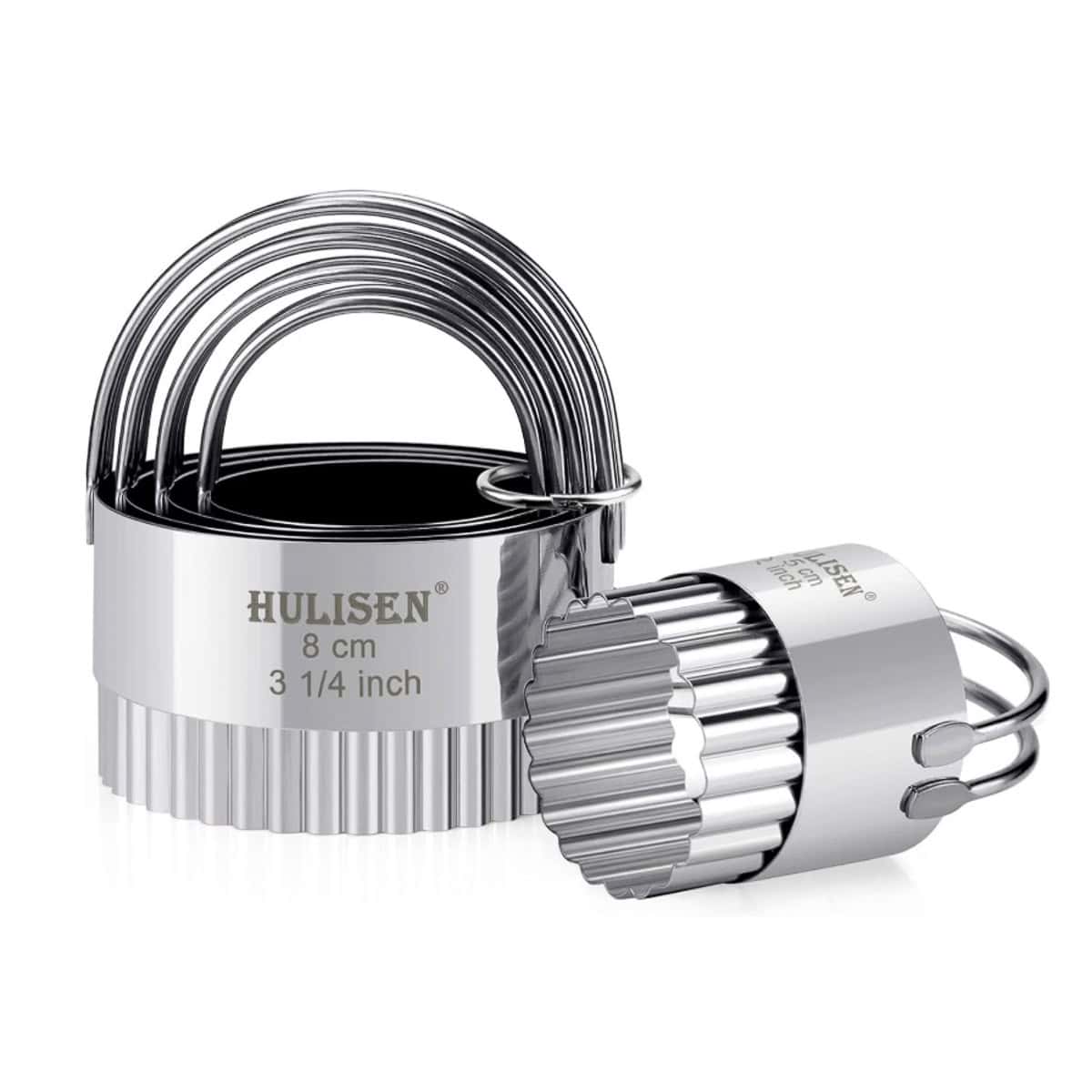
- Traditional round cutters: I'm a round-biscuit girl, and this set of biscuit cutters gets used constantly. A sharp edge helps your biscuits rise without compressing the layers.
- Scalloped cutter: When I make traditional British scones, I like this scalloped cutter for the pretty edge. Pinkies up!
Danish dough whisk
A Danish dough whisk makes quick work of combining wet and dry ingredients for bread, biscuits, muffins, pancakes, and quick breads. It's especially nice when you don't want to overwork dough.
Rolling pins
I don't reach for a rolling pin all that often, but when I do, I want the right one for the job.
- Small rolling pin: I use this dumpling rolling pin for flour tortillas and flatbreads.
- Straight rolling pin: My handle-free rolling pin gives me more control when I'm rolling biscuits for cut-and-stacks or shaping crescent roll dough.
- French rolling pin: The tapered ends of this French rolling pin make it easier to guide dough where you want it, especially pie crust for an apple galette.
Flour and sugar duster
I can't even remember where I bought my first one, but this little stainless steel mesh duster is great for dusting the counter with flour or finishing pastries with powdered sugar. I keep one for each job. Buy two!
Pastry brushes
I love my natural-bristle pastry brushes for brushing egg wash onto dough and gently sweeping away excess flour. They give me an even coating without being too rough. Silicone pastry brushes work just fine too, and they can go in the dishwasher.
Muffin liners and parchment circles
I share a lot of my baking, and I can't send naked buttermilk muffins out into the world! I lightly spray paper liners so the muffin doesn't stick when someone peels the paper away.
- Standard muffin liners: These taller liners fill the well nicely and make muffins look a little more bakery-style. Grocery store liners work, too.
- Tulip liners: These tulip muffin liners give muffins room to rise higher above a standard muffin pan. Plus, they're cute, which is also important.
- Small parchment circles: These parchment circles are my trick for releasing sticky pastries, like caramelized croissants, from muffin pans. Yes, you can cut your own. No, I don't particularly want to.
Baking Pans, Cooling Racks, and Parchment
Sheet pans
I'm a Nordic Ware sheet pan person. Some heavier nonstick sheet pans are more than I want to lift, especially when I'm dealing with mobility issues. My Nordic Ware pans are manageable, easy to clean, and sturdy enough to resist warping at high oven temperatures. I have several of each size because I'm always cooking or baking something.
- Half-sheet pans: These 18 x 13-inch pans are my choice for big batches of biscuits, roasted potatoes, vegetables, and even a spatchcocked turkey.
- Quarter-sheet pans: These quarter-sheet pans, about 9.5 x 13 inches, are wonderful for a regular batch of biscuits, oven bacon, or a thin loaf of focaccia.
- Eighth-sheet pans: My little 6.5 x 9.5-inch pans are great for reheating a few things, individual breakfast nachos, or a tiny tater tot breakfast skillet.
Baking and cake pans
For focaccia, frittatas, cakes, and more, I love USA Pan bakeware. I have their 9 x 13-inch pan, 9 x 9 quare inch pan, and 9-inch round cake pan. They have a textured surface, a great nonstick coating, and nice, sharp corners that give baked goods a clean finish. I like these for specific baking jobs, even though I prefer lighter Nordic Ware pans for sheet-pan baking.
Loaf pans
I'm also a big fan of USA Pan loaf pans. I use the 9 x 5-inch loaf pan most often, but I keep an 8 x 4-inch loaf pan for smaller loaves.
Muffin pans
I use a USA Pan 12-well muffin pan and a 24-well mini muffin pan for bite-size donut muffins and other little treats. The nonstick surface actually works, which makes cleanup easy. I also have a 6-well muffin pan for the days when I only want a small batch of muffins for The Boy and me.
Wire cooling racks
Don't underestimate a good wire rack. I use them for cooling cakes, muffins, biscuits, and pastries, and for elevating food on sheet pans so heat can circulate and things crisp up evenly. I keep both half-sheet wire racks and quarter-sheet wire racks on hand.
Parchment paper
I swear by pre-cut parchment sheets because I have no patience for the kind that curls up and refuses to lie flat. They keep pans cleaner and make it easy to lift baked goods out. You don't need different packages for every pan size. Tear a sheet in half for smaller pans, or crumple it, flatten it, and fit it into a round pan or Dutch oven.
Kitchen Thermometers
Oven thermometer
Your oven might say 350°F, but that doesn't mean it actually is. Oven temperatures can be off by 35 degrees or more, and the preheat beep isn't always the whole story. I use this large-dial oven thermometer because it's easy to read, even in a dark oven.
Instant-read thermometer
An instant-read thermometer takes the guesswork out of cooking and baking. I use mine to check whether a loaf of bread is fully baked, whether liquids are the right temperature for yeast, and to spot-check frying oil. There are cheaper versions, but this one has been accurate and reliable for years.
Skillets and Frying Pans
Cast-iron skillets
Cast iron is durable, versatile, oven-safe, and great at holding heat. I use it for cornbread, pancakes, English muffins, shallow frying, and all kinds of skillet breakfasts. I buy Lodge because it's affordable and lasts forever, not because anyone sponsors me.
- 12-inch skillet: My 12-inch cast-iron skillet is the everyday workhorse. I used to have my grandmother's, but we accidentally left it in the drawer under the oven when we moved. RIP Grandma's cast iron.
- 10-inch skillet: I reach for my 10-inch cast-iron skillet for smaller bakes like coffee cake, cornbread, and frittatas.
- 6 ½-inch mini skillets: These little cast-iron pans are adorable for individual breakfast skillets, Dutch babies, and skillet chocolate chip cookies that you don't have to share.
Nonstick skillets
Sometimes I don't want to lift a heavy cast-iron pan, especially when I'm making eggs or crepes. I've had great luck with my GreenPan nonstick skillets. I have two sizes: the smaller one is perfect for scrambled or fried eggs, and I use the larger one for just about everything else. I avoid high heat with nonstick cookware because it can damage the coating and shorten the life of the pan.
Hybrid skillet
I absolutely love my 10-inch HexClad hybrid skillet. It was an investment, but it has become one of the pans I reach for most often. It's a useful size for everyday cooking, and I like that I can use it for higher-heat searing and move it into the oven. I still keep my nonstick skillet for delicate eggs and crepes, so I recommend you have both.
Dutch Ovens
I'm a sucker for a big Dutch oven. I have several, and when I get a new one, my daughters tend to inherit the older ones. I use them for no-knead bread, collard greens, black-eyed peas, big pots of grits, soups, and stews. Mine are Lodge, not because I'm sponsored, but because I find them durable and affordable.
- 3-quart enameled Dutch oven: My Lodge 3-quart Dutch oven is just right for a small loaf of no-knead bread or soup for two. It comes in lots of colors, too.
- 5-quart cast-iron Dutch oven: This 5-quart Dutch oven was the first one I bought, and it's a workhorse. It handles a big pot of chili, and the lid doubles as a skillet for baking cornbread.
- 7-quart oval Dutch oven: Not everybody needs a pot this large, but this 7-quart Lodge Dutch oven is wonderful for a big pot roast or braised short ribs. The oval shape gives larger cuts of meat more room.
Small Appliances and Brunch Favorites
Hand mixer
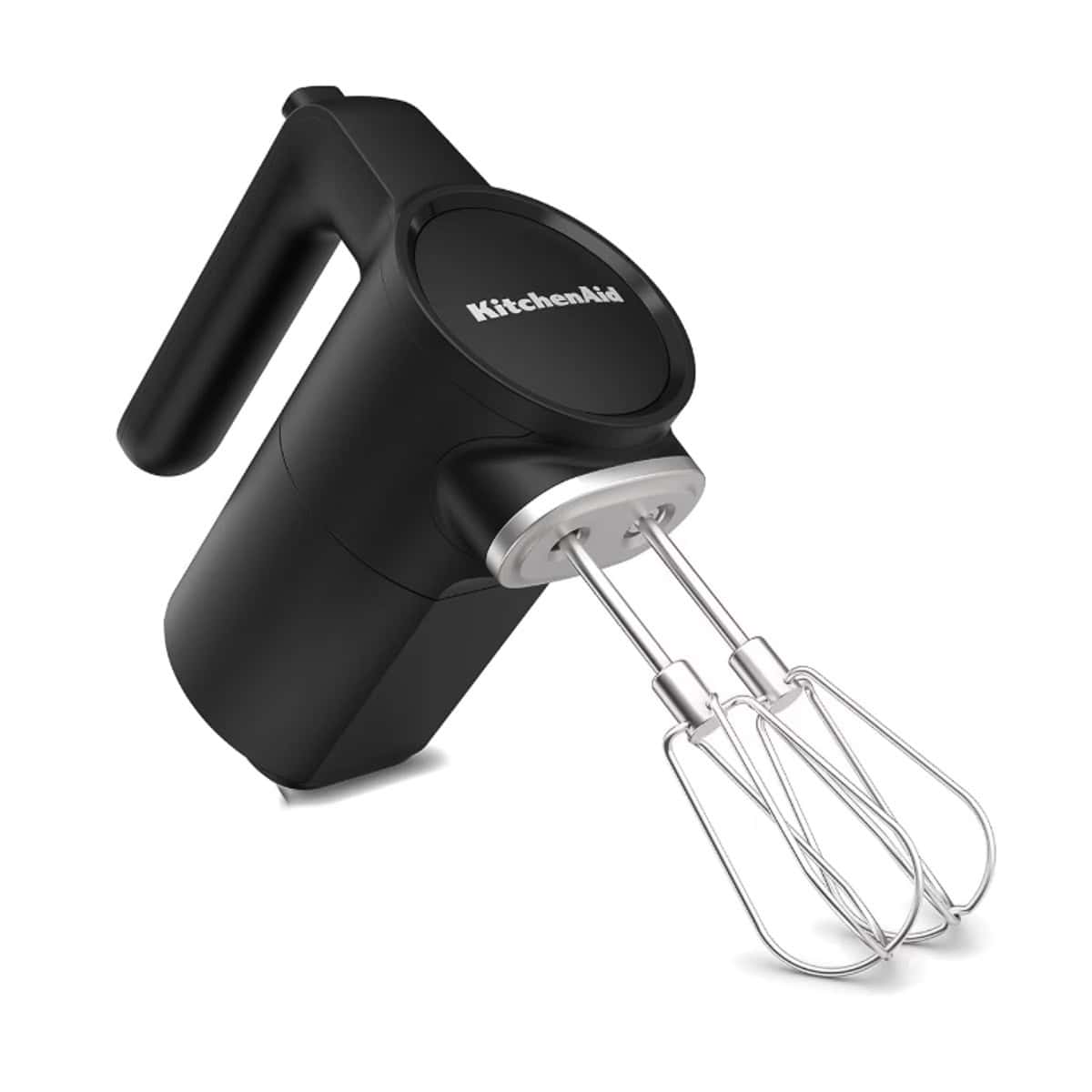
When I just need to make a creamy filling or mix a small batch of whipped cream, I reach for my cordless KitchenAid hand mixer instead of hauling out the stand mixer. It's easier to clean, and there's no cord in the way. Mine is actually powder blue to match my other kitchen appliances, but I can't find that one available right now. P.S. I also use silicone-tipped beaters because I don't like the sound of metal beaters clanking against a bowl.
Mini food processor
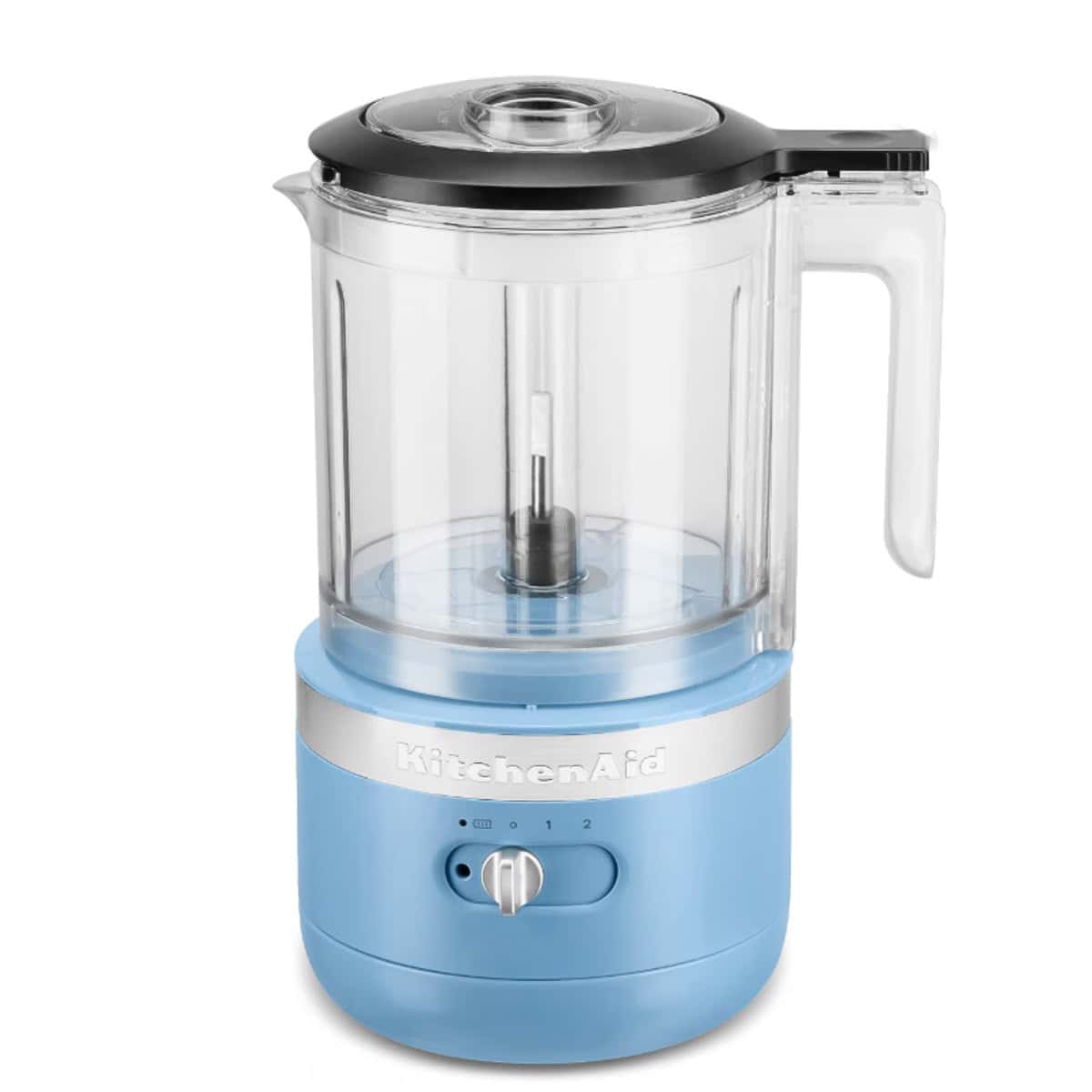
For small jobs, I love my cordless 5-cup KitchenAid food processor. It handles a surprising amount of prep without taking up the space of the full-size machine. I probably use it more often than my big one these days. And yes, it matches my stand mixer. Very important.
Personal blender
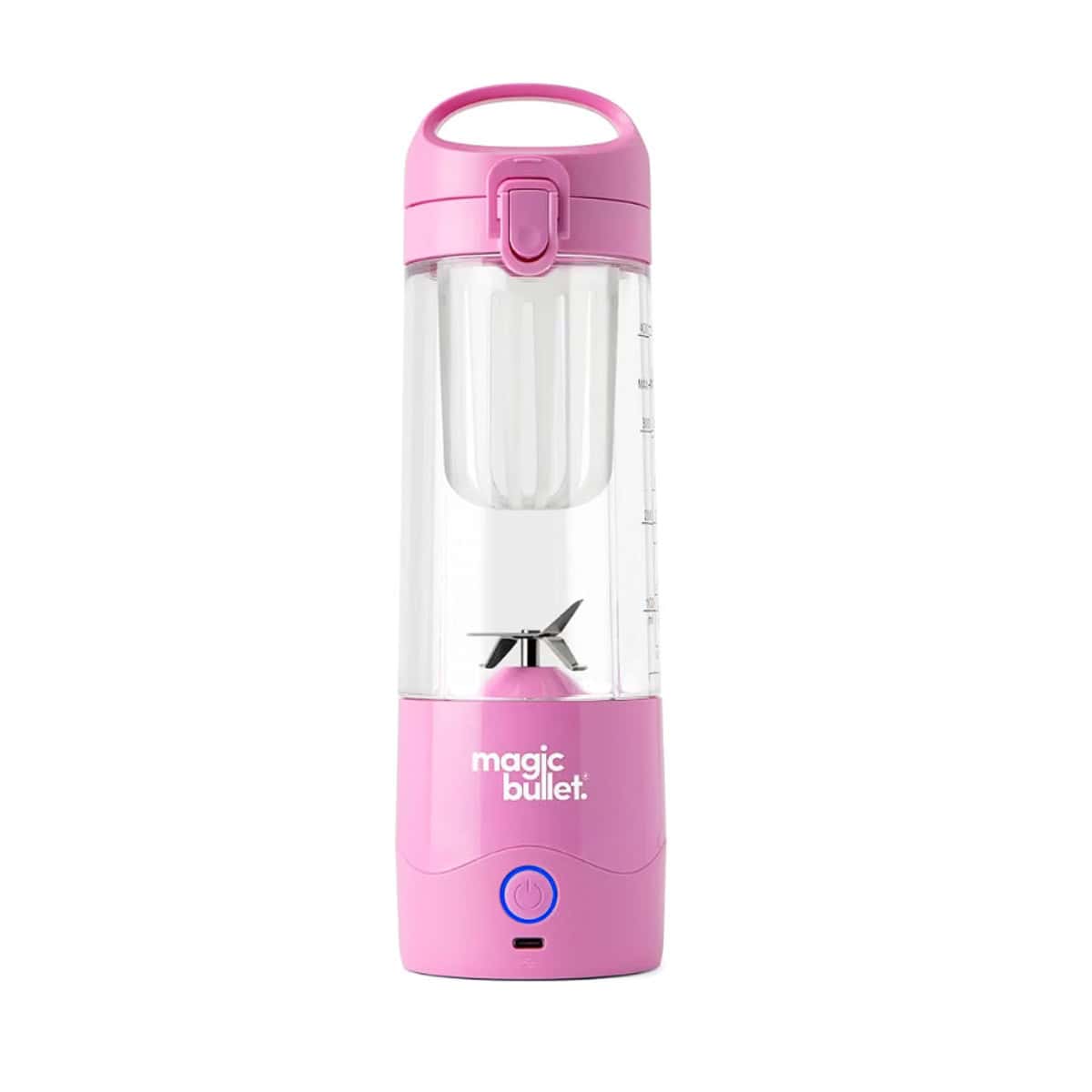
My Magic Bullet personal blender is just right for small batches of blender Hollandaise, salad dressings, or a smoothie for one. It's easier than dragging out the big blender.
Immersion blender
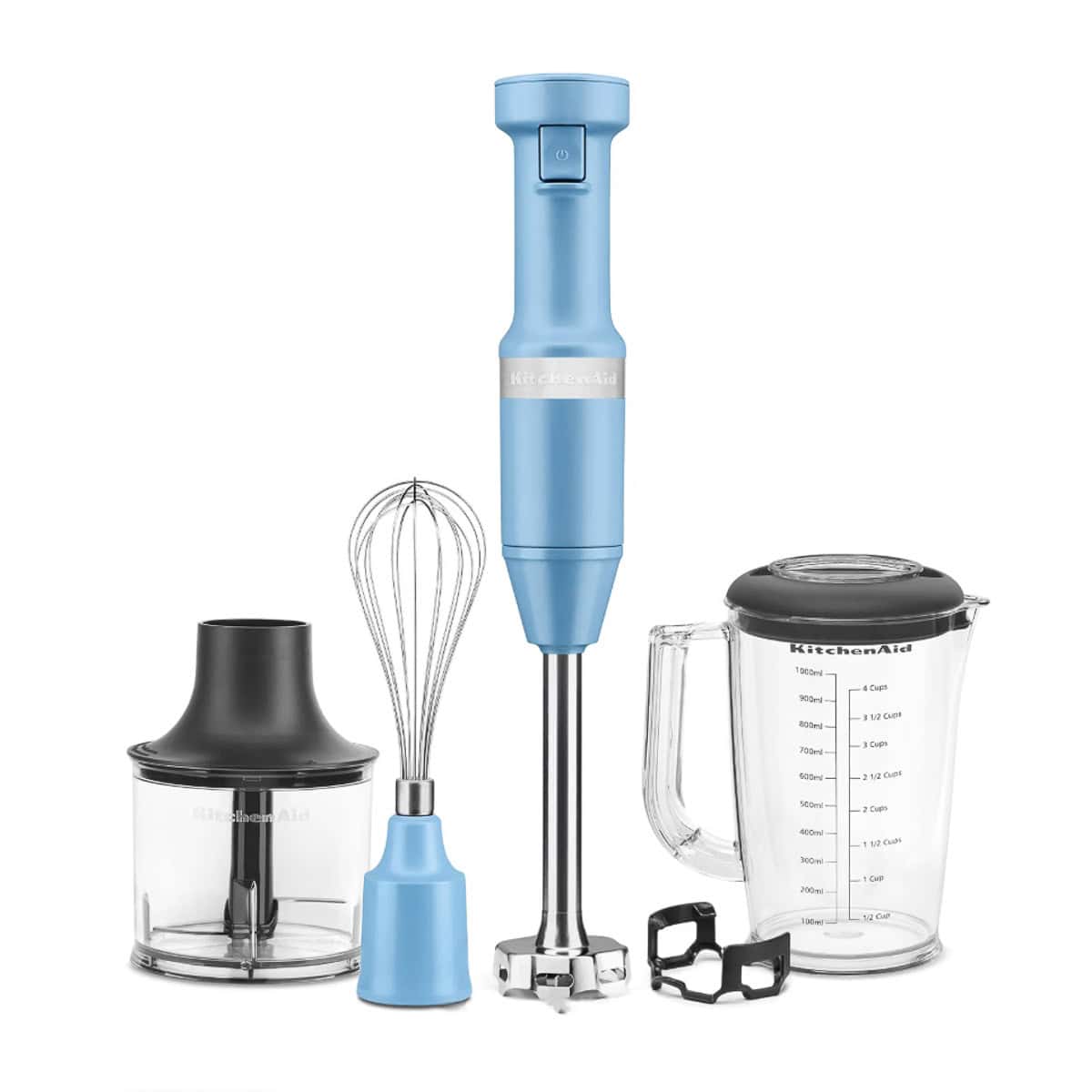
My cordless KitchenAid immersion blender lets me blend soups and sauces right in the pot, without transferring hot liquid to a countertop blender. It's handy for whipping small amounts of cream, too. It comes with attachments including a whisk, food chopper, and pitcher. And, naturally, it matches my other KitchenAid appliances.
Waffle makers
I have two waffle makers for two different kinds of waffles. My All-Clad Belgian-style waffle maker is definitely a splurge, but it makes thick, fluffy buttermilk waffles with crisp edges. The more affordable Cuisinart Classic waffle maker makes thinner, crispier Waffle House-style waffles that always remind me of my dad. Both have earned their place in my kitchen.
Butter warmer
Sometimes cute is the point. I don't love melting butter in the microwave because it splatters everywhere, so I asked my daughters to get me a butter warmer for Christmas. Mine isn't readily available anymore, but this little butter warmer is very similar.
Stand Mixers, Food Processors, and Blenders
KitchenAid stand mixer
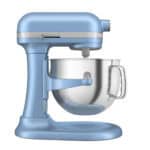
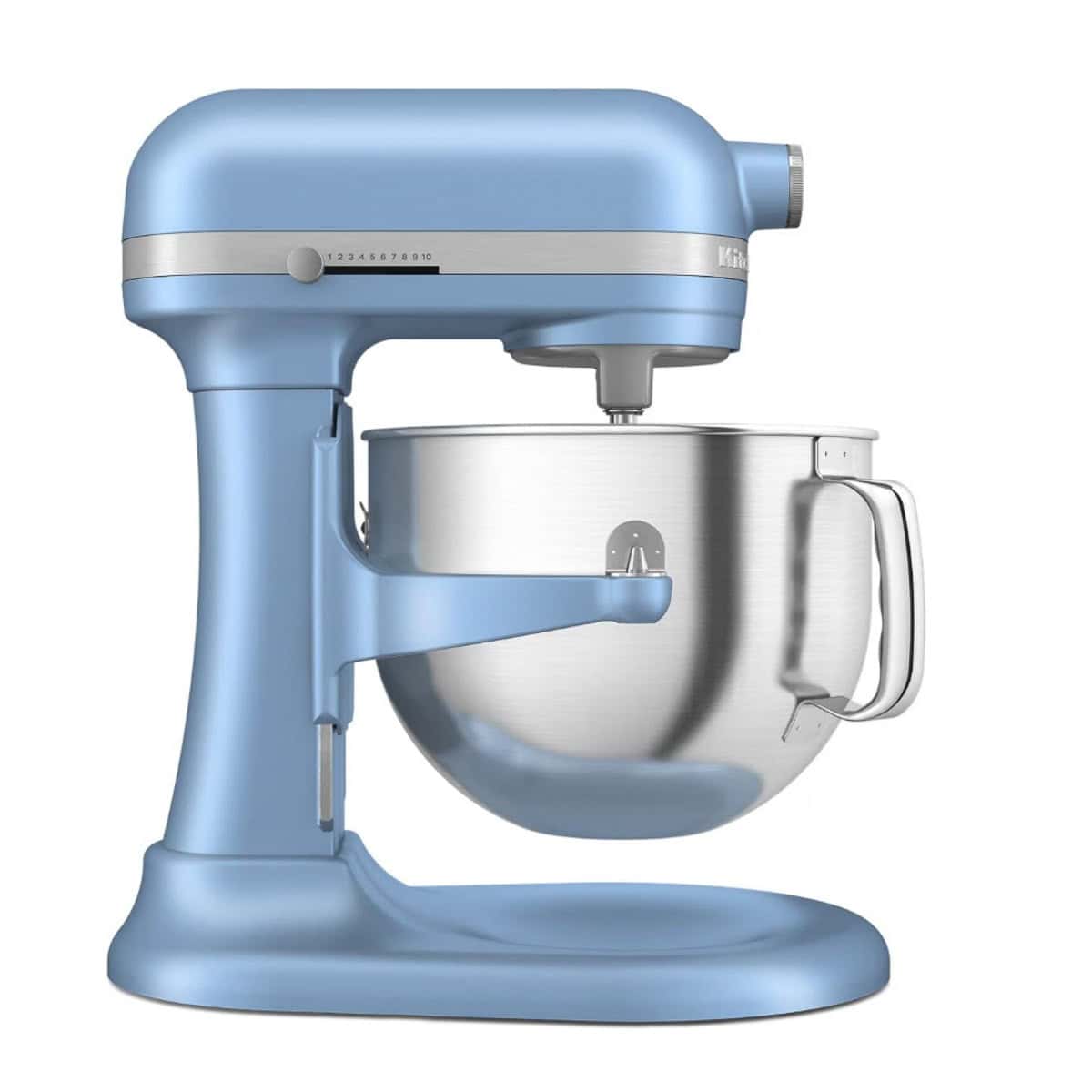
My stand mixer gets a serious workout. I use it for kneading bread dough, making cakes and cookies, and all kinds of baking projects. I have the 7-quart Pro bowl-lift model, but a 5-quart stand mixer is plenty for most home bakers.
I prefer a bowl-lift model for frequent bread baking because the sturdier setup handles heavier doughs well. These aren't inexpensive machines, so watch for sales.
Full-size food processor
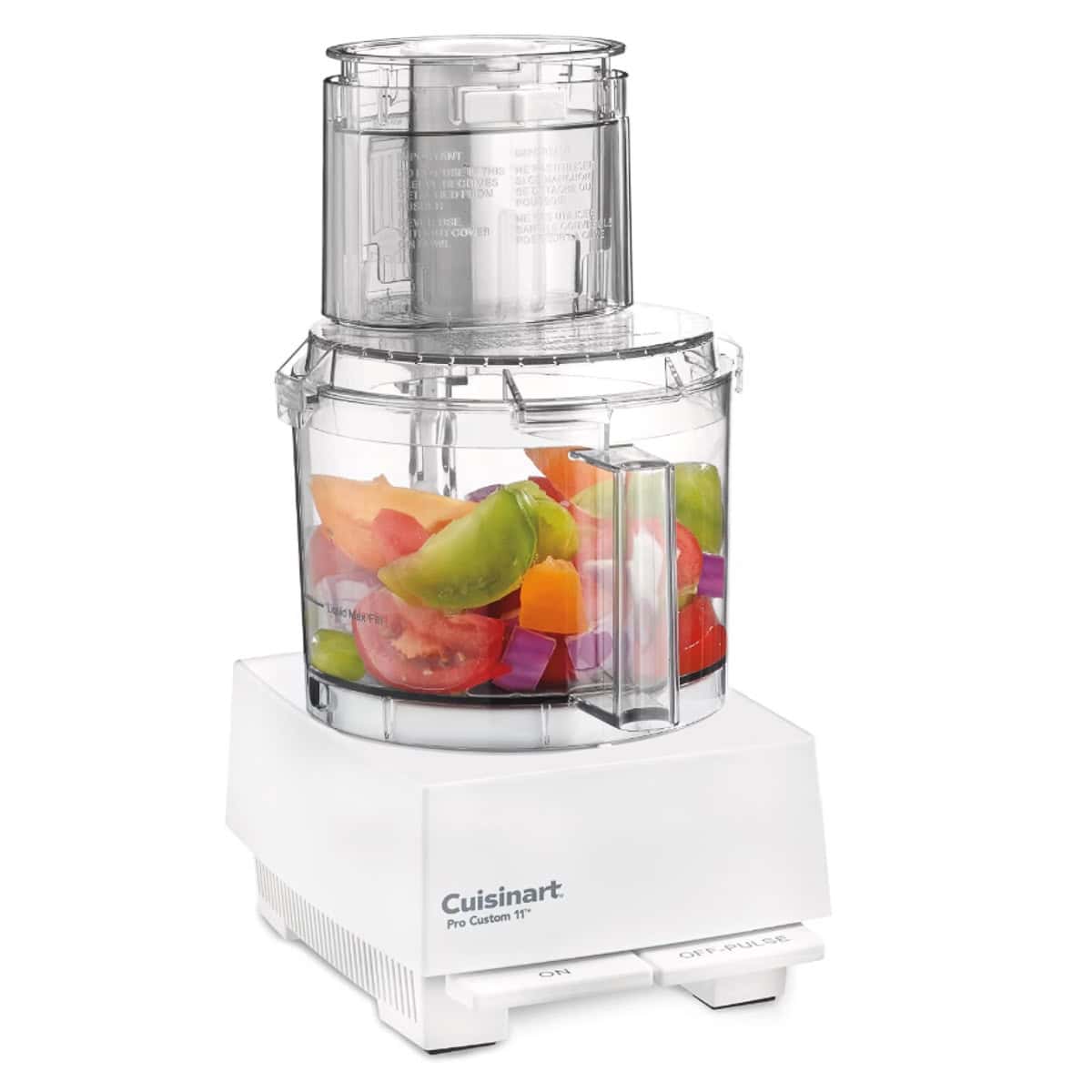
When my hands are giving me trouble, a food processor makes a big difference. I use mine for piecrust, cutting cold butter into flour for biscuits, and plenty of other prep jobs. I bought my 11-cup Cuisinart food processor about 15 years ago, and it's still going strong. It has two simple buttons, and the capacity has always been more than enough for me.
Vitamix blender
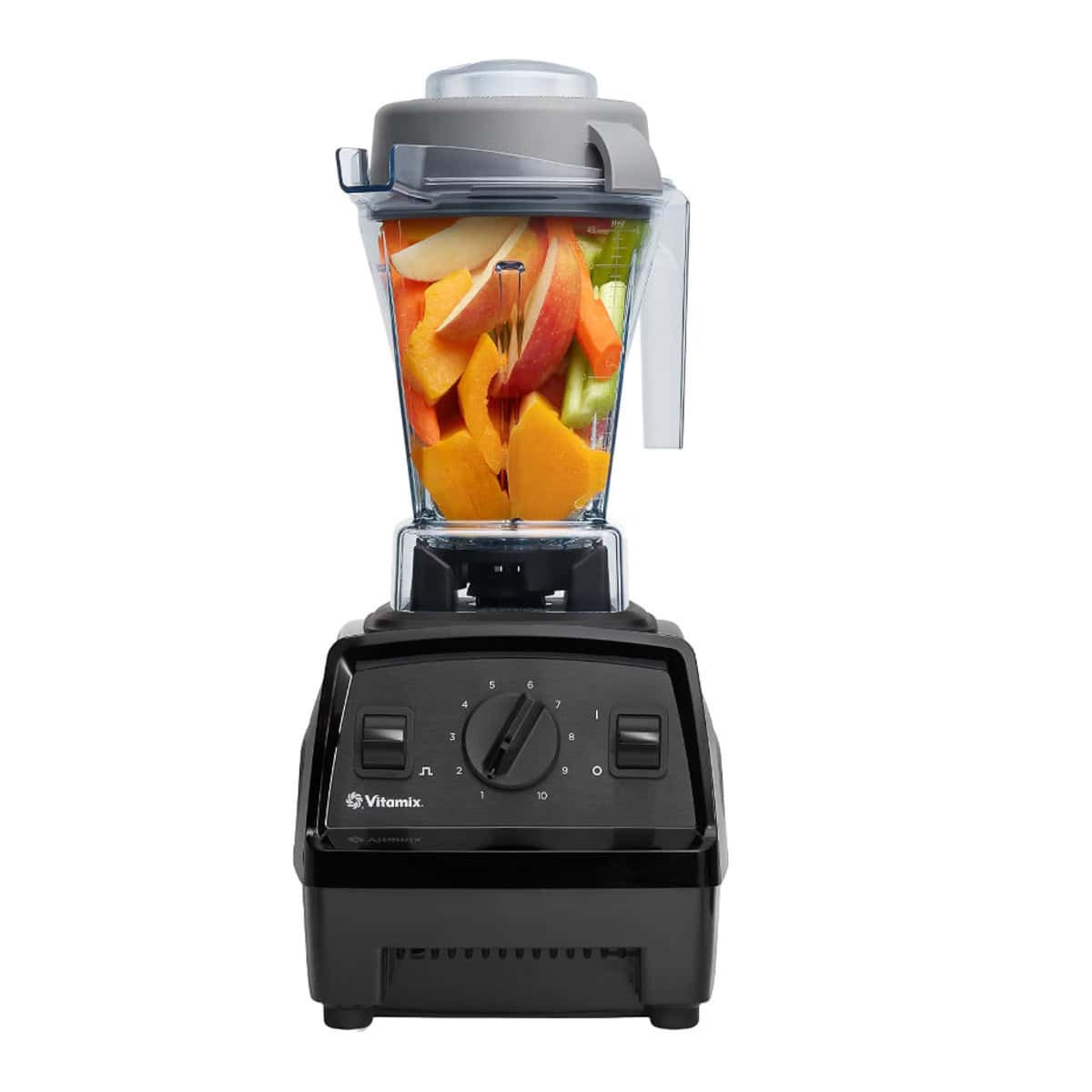
I use a blender for much more than smoothies. My Vitamix Explorian makes silky-smooth crepe and popover batters, sauces, soups, milkshakes, and homemade apple butter. It's powerful, reliable, and worth the counter space in my kitchen. It's pricier than a basic blender, so I'd watch for a sale rather than paying full price.
Kitchen Storage and Organization
Deli containers
I started using inexpensive deli containers in professional kitchens. We used them for everything, including drinking ice water during a hot shift on the line! I keep 1-cup, 2-cup, and quart containers on hand, all with interchangeable lids. They're perfect for measuring ingredients before cooking, storing leftovers, and keeping the fridge and freezer organized. Label a lid with masking tape, and you're set. They're ridiculously affordable and endlessly useful.
Kitchen towels
Sometimes you don't need a pretty towel covered in flowers. You need a hardworking cotton kitchen towel. I keep a couple dozen plain white ones folded in my pantry for wiping up messes, drying potatoes, and squeezing moisture from shredded vegetables. They're reusable, easy to wash, and can be bleached when needed. Fewer paper towels, and there's always a clean one nearby.
Zip-top bags
I keep zip-top bags in different sizes because they solve a hundred little kitchen problems. Leftover bacon? Into a bag, so the whole refrigerator doesn't smell like bacon. Make-ahead biscuits, dinner rolls, or meat that needs marinating? Same answer. They're not glamorous, but I use them constantly.
Dry ingredient storage
Baker's pantry containers
I love my Progressive ProKeeper Baker's Storage Set. The airtight containers hold a full bag of flour, plenty of sugar, powdered sugar, and smaller amounts of baking powder and baking soda. The brown sugar container even has a little clay disc you soak in water to help keep it soft. All my everyday baking ingredients are organized and within reach.
Spice rack
We have a small pantry and not much room for spices, so my husband bought me a wooden spice rack that mounts on the back of the pantry door. I absolutely love it.
Bowl covers
You don't need expensive bowl covers or plastic wrap that sticks to your bread dough. I use inexpensive shower caps to cover mixing bowls while dough rises. I usually get two or three uses out of each one before I poke a hole in it. They're also handy when you've lost the lid to a container of leftovers. We all have that one container.
Mason jars and lids
I use mason jars in different sizes for mixing marinades, storing jams, and keeping nuts fresh in the freezer. For everyday storage, I swap out the metal rings and lids for plastic mason jar lids that can go in the dishwasher without rusting. Use appropriate canning lids when you're actually preserving food.
Rolling kitchen island
More than 20 years ago, we bought a rolling kitchen island for an apartment with almost no counter space. It has a drop leaf that doubles the work surface, drawers for utensils, and cabinets for baking supplies, mixing bowls, and measuring cups. It's moved with us from home to home and is still in my kitchen today. In fact, it's where I film my recipe videos! Mine is no longer sold, but I found this similar rolling kitchen island.
More Kitchen Tools I Love
Wire spider
A wire spider strainer is one of my favorite tools for frying homemade donuts and chicken. It makes it easy to lower food into hot oil and lift it out while the excess oil drains away.
Other little utensils
These aren't tools everybody needs, but they're useful for particular jobs:
- Offset spatula: For spreading batters, frosting cakes, smoothing fillings, and loosening pastries and cakes from their pans, a small offset spatula is a must
- Melon baller: A handy little scoop for shaping fruit, but I use a melon baller all the time to remove the core from apples and pears for my apple croissants and pear galettes.
- Piping bags: Although you can use a zip top bag, piping bags are the best for filling pastries, piping frosting, and portioning soft mixtures, like baked donut batter, neatly.
- Peeler: I started using Y-peelers in professional kitchens, and I quickly saw why they were used instead of straight peelers. They're quick, efficient, and comfortable to use, especially when you're peeling a big batch of potatoes or vegetables. If you prefer a straight peeler, this OXO peeler has a big, comfortable grip that is perfect for people with arthritis or who just prefer a traditional peeler.
A little bit of everything
These don't fit neatly into the other categories, but I use them all the time:
- Nitrile gloves: I use non-latex gloves for messy, sticky, or smelly jobs. They're inexpensive and fit better than those oversized kitchen gloves most people know.
- Grippy pads: These little circular grippy pads help me open jars and keep bowls from sliding around the counter while I'm mixing.
- Squeeze bottles: I keep cooking oils in squeeze bottles so I can grab one and add a little oil without opening a big bottle or jug. I always have one filled with olive oil, one filled with high smoked point avocado oil, and one filled with a blend of olive oil and vegetable oil for flavor and heat tolerance.
- Long-handled tasting spoons: Taste as you cook! These long-handled teaspoons let me reach into a pot without getting too close to what's hot and bubbling.
To be continued...
I'll keep adding to this list as I discover new favorites, so check back every so often and see what's changed. And if there's a tool you swear by in your own kitchen, leave a comment below. I'm always looking for something new to try!